Rail travel to 

   Europe: 

   general 

   information 

A beginner's guide to choosing, buying & using a

Eurail pass or other European railpass. . .

Explore Europe by train with a Eurail pass

   Home     Site map     Search site     Links     Railpasses     Buy train tickets     Buy ferry tickets    Book a hotel     What's new    About me    E-mail    Guestbook

Africa

Middle East

   Iran
  Israel
  Jordan
  Syria
  Turkey

Asia

America

Australasia

Australia
New Zealand

London to China & Japan by Trans-Siberian Railway

or silk route


London to India overland


London to Australia without flying


European & overseas Railpasses


Explore Europe with InterRail


Taking your car: Motorail


Non-flying Holidays by train


Ski holidays by train


London to Paris by Eurostar


The end of the real Orient Express?


The luxury Venice Simplon Orient Express


The scenic Swiss Glacier Express


Auckland-Wellington on The Overlander


NZ's most scenic train: The TranzAlpine


Canada's Rockies on the Rocky Mountaineer


Bridge over the River Kwai


Britain's most scenic train ride The West Highland Line


Scotland's cruise train The Royal Scotsman


Buy train tickets & passes online at the Seat 61 Rail Shop


Buy ferry tickets online at the Seat 61 Ferry Shop


Comments?  Feedback?  Need more help...? Email the Man in Seat Sixty-One..! 


Sign the guestbook


Important note about the information on this site.

Webhosting by Hostroute

Thank you for visiting my site...


Buy a Eurail pass or other European railpass online

If you live in the UK, click to buy a train pass from www.raileurope.co.uk.  To make reservations after buying your pass, call 0844 848 5 848.

If you live in the USA or Canada, buy a Eurail pass from www.raileurope.com or www.raileurope.ca

Make reservations with a railpass (US residents) 

Make reservations with a railpass (Canadian residents)

If you live in Australia or New Zealand, click to buy a Eurail pass from the Rail Shop Australia

Make reservations with a rail pass (Australians)

Or buy a pass in South Africa at www.raileurope.co.za


Welcome to a one-stop independent guide to choosing, buying & using a European railpass, either a Eurail pass for overseas visitors, an InterRail pass for European residents, or a few other country-specific passes.  It aims to answer all the key questions, such as whether a railpass or point-to-point tickets would be cheaper, which railpass to buy, how Eurail passes work, when you need to pay supplements, and how you make reservations.

On this & other pages...


 Why explore Europe by train?

Whether you use a rail pass or point-to-point tickets, trains are easily the best way to travel around Europe, no contest.  Here's why:

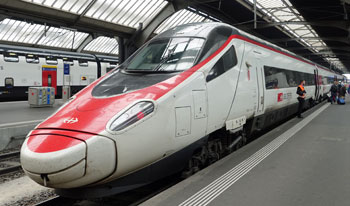
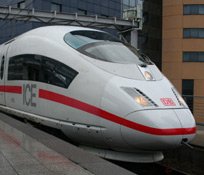
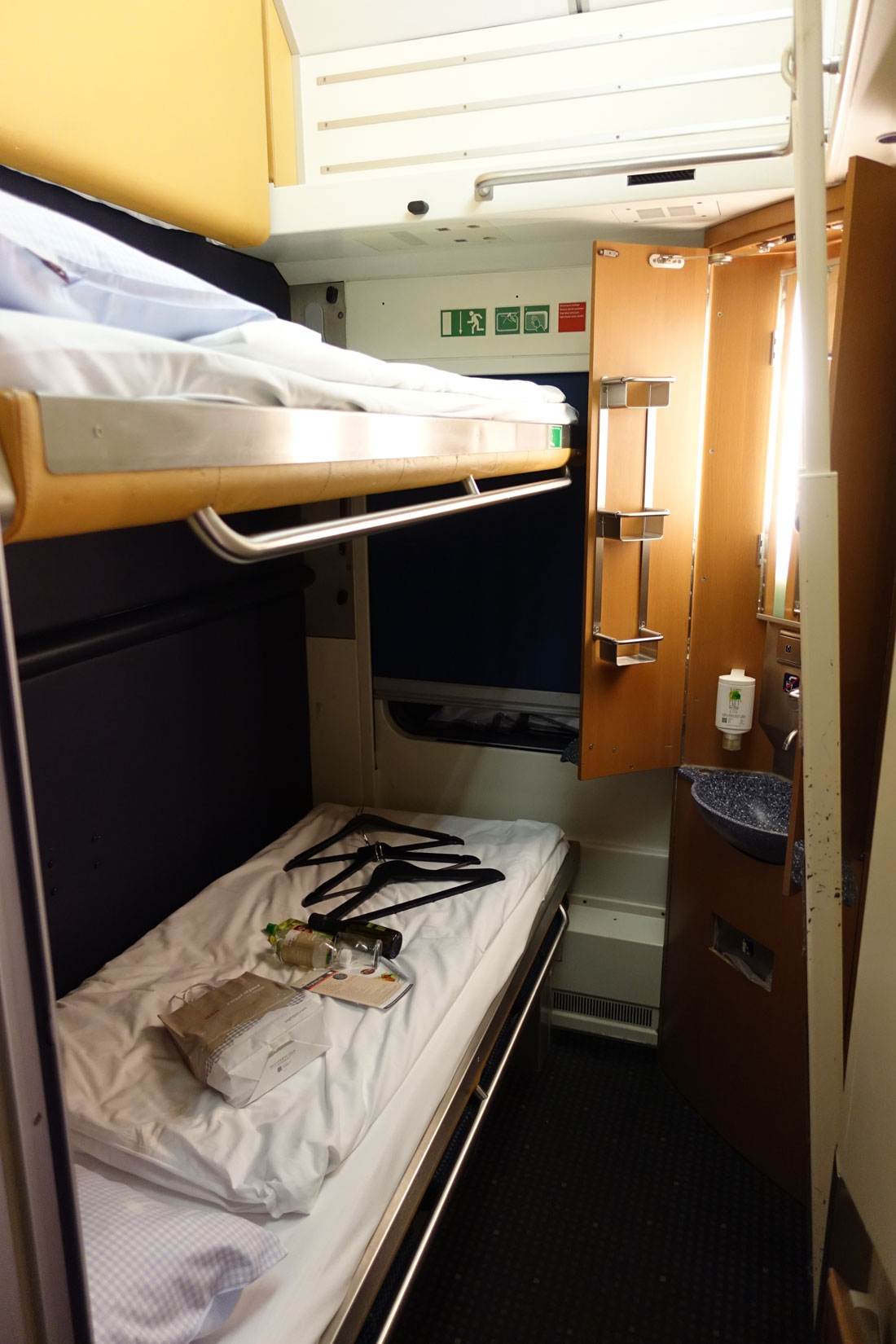
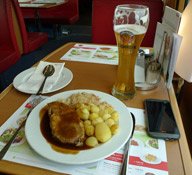
Seeing Europe with a Eurail pass:  A French high speed TGV   Seeing Europe with a Eurail pass:  A sleeper on the Paris-Madrid trainhotel   Seeing Europe with a railpass:  The restaurant car on the Paris-Madrid trainhotel   Seeing Europe with a Eurail pass:  This is the wonderful Arlberg Pass between Zurich and Innsbruck

Practicality...

European trains run almost everywhere, at up to 198 mph, often faster than flying because it's city centre to city centre, no remote airports, no 2-hour check-ins and no airport security strip-searches!  Remember, in Europe a 'one hour flight' actually means 4 hours.


Comfort...

...unlike air travel, train travel is low-stress & low-hassle, and unlike bus travel it's high comfort.  You get space to move around, lots of legroom (remember that?) and often a café, bar or even restaurant on board.  Overnight sleeper trains cover huge distances such as Amsterdam to Prague or Barcelona to Paris, city centre to city centre, in effect faster than flying and it saves hotel bill, too.  The trains become a welcome relaxation break between visiting each European city...


The experience...

...and there's often superb scenery.  Above all, your train journeys become an integral part of your European experience, , something to enjoy in their own right, giving you a feel for the countries you're visiting.  Unlike flights or long distance buses...


Trains versus buses, planes & automobiles...

Planes:  Taking flights around Europe turns your holiday into a rushed business trip.  In Europe, even a 1-hour flight means 4 or 5 hours of taking a long bus, train or taxi ride out to an airport miles outside the city, a lengthy check-in with stringent security checks & more airport hassle, a flight that's often delayed (European flights typically average 60%-70% on time or within 15 minutes, but high-speed trains typically achieve 90-95%), then more airport arrival hassle followed by another long bus, train or taxi ride into town.  You miss out on the relaxing scenic overland journeys across Europe which should be part of every European holiday.  To get cheap tickets you must arrange all your flights well in advance on a no-refunds, limited-changes basis, which is very restrictive compared to the freedom of a railpass.  And the environmental damage caused by unnecessary short-haul flights must also be considered.

Car hire:  There might be a cultural difference here!  Americans seem to consider hiring a car as means of getting from A to B.  For us Europeans, A to B city-to-city travel is covered by our comprehensive train network, hiring a car is something you do as a recreational activity, for the freedom to explore a rural area off the main routes, such as touring Tuscany or the Dordogne.  Car hire is often the best option for such tours, and I'd recommend it.  But if you're keen to see the great cities, such as Paris, Rome, Barcelona or Florence, definitely don't hire a carCars and European city centres don't mix.  Driving long distances in foreign countries can be very tiring, and long hours on concrete motorways can be depressing.  Car hire companies are often reluctant to let cars cross international frontiers even within the EU, so don't assume you can make international trips in a hire car, certainly not without punitive international drop-off charges.

Long-distance bus:  Long distance buses like Eurolines or tourist buses like Busabout tend to use ugly motorways which destroy the scenery they pass through.  At a mere 60mph, a journey that's 3 hours by train could take 8 cramped hours on a motorway by bus.  You are stuck in a bus seat for hours on end, no restaurant car or bar to go to, and at night you have to sleep slumped in your seat, a horrible experience.  Buses generally only serve the very largest cities, often with just one bus a day or less, which is restrictive & inflexible.  You're not allowed to bring your own food and drink on board, and there's certainly no alcohol permitted!  Buses are really an option aimed at very, very low-budget travellers...

Train:  Trains run on a vast rail network covering the whole of Europe, linking almost every town & city, even running every hour throughout the day on major routes.  Trains run at  up to 198 mph (300 km/h), and are faster than flying for many journeys such as London to Paris (2h15), Paris to Amsterdam (3h20), Paris to Geneva (3h20), Barcelona to Madrid (2h40) or Florence to Venice (2h40).  Overnight sleeper trains have beds to sleep in, an experience in itself, and they cover huge distance while you sleep, such as Paris-Barcelona, Paris-Florence, Amsterdam-Prague or Prague-Krakow, city centre to city centre and saving both a hotel bill and the 4-5 hours of daytime travel that flying would waste.  Trains run city centre to city centre, low-hassle, zero stress.  There's loads of legroom, you can get up and wander to the bar or restaurant car if you like.  Feel free to bring your own picnic and even your own bottle of wine or beer if you want, no problem, it's allowed!

In other words, whether you use a rail pass or buy normal tickets, the train is definitely the way to see a lot of Europe in a relatively short time, there's simply no contest.  As well as speed, convenience and comfort, train travel is part of the European way of life, the way we Europeans travel, and an experience in itself.  If you're from the USA, Canada, Australia and so on, you might even get to meet some of us Europeans...


 Where do I start?

A rail pass gives you unlimited train travel, so you can travel around freely and explore as much as you like.  You have three simple decisions to make:

  • Where do you want to go?  In particular, which countries?  Only you can decide that!

  • Should you buy a rail pass or would normal point-to-point tickets be cheaper?  Answer below...

  • If you go for a rail pass, which type of pass should you buy?  Answer below...

This page will help you answer these questions, help you choose the right rail pass and explain how to use it.  You may also want general information about train travel in Europe:

  • To plan your route and train times, use the all-Europe online timetable at www.bahn.de.  It covers almost all of Europe, and it comes highly recommended.  If you only remember one European rail resource, make it this one!

  • For information about couchettes and sleepers on overnight trains, with an explanation of what the difference is, see the sleeper & couchette page.

  • For general information about European train travel, such a luggage arrangements, food on trains, and so on, see the Europe general information page.


 Should I buy a rail pass or normal tickets..?

Don't assume you need a rail pass...

In fact, I'll be quite categoric:  You should always assume that point-to-point tickets will be cheaper than a railpass, unless you can show otherwise.  Many overseas visitors, especially (if you'll forgive me for saying so) Americans, appear genetically programmed to ask for a $500 Eurail pass just for one or two $50 train rides.  Boy-oh-boy is rail pass marketing good in the States!  For a simple train trip from A to B, or even A to B to C and back to A, normal point-to-point tickets will almost always be cheaper than any rail pass, especially if you are prepared to book in advance on a no-refunds, no-changes-to-travel-plans basis, with a budget-airline-style cheap fare now offered on many routes in western Europe.  In fact, even a tour involving several train trips can often be made more cheaply with tickets like these if you pre-book.  So let me spell it out for you again:  Always assume point-to-point tickets will be cheaper than a rail pass unless you can demonstrate otherwise.

...but for some types of trip a rail pass can be just the ticket.

On the other hand, if you are going to do a lot of travelling to see a lot of Europe, if you want complete flexibility and spontaneity (so cheap advance-purchase tickets that allow no refunds and no changes to travel plans won't do), if you are making lots of longer journeys or one really big trip (for example, Paris to Istanbul) a rail pass can be the best option.

So which would be best for me, point-to-point tickets or a pass?

People seem to think there's a simple answer, such as 'a rail pass is always cheaper than normal tickets if you're going to Switzerland, but normal tickets are always cheaper than a pass if you're going to Italy or Spain or eastern Europe'.  It's true that some rail passes (like the excellent Swiss pass) are better value than others (like railpasses for Italy or eastern Europe where fares are so cheap anyway), in that you have to clock up more mileage in Italy to justify buying a pass, whereas it doesn't take much in Switzerland to make a Swiss Pass worthwhile.  But it always depends on how much travelling you plan to do, and on what point-to-point ticket you compare it with.  Do you want flexibility with a full-fare ticket, or are you prepared to book a fixed itinerary in advance to get a cheap deal?  A $70-a-day railpass (even with a $10 reservation fee on top) is cheaper than a $150 fully-flexible buy-it-on-the-day point-to-point ticket, but much more expensive than a $45 cheap train ticket bought in advance online on a no-refunds-no-changes-to-travel-plans basis.  So there's no simple answer without working it out for yourself.

OK, so how do I work it out?

Here is a step-by-step guide to checking whether a pass will actually save you money over normal tickets.  If you find this too difficult, can't be bothered, or your time is more precious than your money and you can't afford to spend half an hour working things out, no problem, skip it and go straight to the How to choose the right railpass section.  But if you're on a tight budget and are keen to do a little legwork to check that normal tickets wouldn't be cheaper, here's how:

  • Decide where you want to go:  First, decide which countries and which cities you want to visit.  This is the fun bit!  Decide what interests you, and use a good European guide book like the Lonely Planet Guides or Rough Guides.  If possible, sketch out a rough itinerary.  It doesn't have to be detailed, though you can use the invaluable online timetable at http://bahn.hafas.de to plan train times if you like.

  • Decide which railpass best fits this itinerary:  Look for the rail pass that most closely fits your trip, see what rail pass should I buy?

  • Work out the 'pass-price-per-day':  Divide the rail pass price by the number of days train travelling you expect to do, to get a 'pass price per day'.  This will be your yardstick.

  • Allow for railpass supplements:  Remember that for most long-distance trains in western Europe, you have to pay for a reservation and/or small supplement when using a railpass.  Overnight couchettes and sleepers also require a supplement (though they also save a hotel bill).  To get an idea of what the supplement is for key routes in Europe, see do I need to make reservations or pay supplements?.  Add an appropriate additional budget for supplements to the cost of the pass.

  • Find out what the point-to-point fares would be:  See how can I find out what the point-to-point fare would be?.  The point-to-point fares produced by the journey planners on railway websites will include any supplement or reservation charge, so no supplement worries here.  You will need to decide if you want flexibility and the ability to vary your itinerary and be spontaneous (in which case, you should compare the rail pass price with the most expensive fully-flexible fare shown in the journey planner search results) or if you are prepared to commit to specific trains on specific dates, to take advantage of cheapest advance-purchase fares.

  • And compare the two:  Compare the pass price per day with the typical point-to-point fare for the sort of journeys you expect to make.  If you've planned an itinerary, compare the cost of the pass with the cost of normal tickets for those journeys.

  • Don't forget that a rail pass is more flexible, usually allows you to hop on and off trains spontaneously, saves you time queuing at ticket offices, and may cover additional trips that you didn't expect to make (for example, if you plan to spend a few days in Paris, it will cover a daytrip to Versailles).  Even if a rail pass is a bit more expensive, it can still be better to buy one.

The two examples below show that it pays to do your research.  Don't assume that a rail pass is always the most economical option.  In fact, your working assumption should be the exact opposite:  Assume that normal point to point tickets are the cheapest option unless you can prove that a rail pass will save you money.

Common railpass mistakes:  Italy...

  • Many people buy a railpass to tour Italy.  A railpass typically costs the equivalent of 40-45 euros per day (this is the total pass price in $ or £ converted into euros and divided by the number of days for which it is valid).  Perhaps this at first sounds good value.  But all fast trains in Italy now require a reservation even with a pass, so there's no 'convenience factor' in having a pass, you still have to queue up at the ticket office.  The reservation costs an additional 15 to 20 euros for high-speed Eurostar Italia AV trains.

  • They then travel from Rome to Florence on day 1, a journey which only costs 39 euros for a full fare point-to-point ticket including high-speed train reservation, bought at the ticket office even on the day of travel.  Next day they do a day trip to Siena, a 16 euros return ticket.  Then they go from Florence to Venice, a 35 euros ticket.  Venice to Verona is less than 20 euros.  Even Venice to Rome is only 60 euros.  So why buy a pass?  You can check normal ticket prices for Italy at www.trenitalia.com.  You want 'Standard' fares, although if you pre-book in advance you can buy an Amica fare which saves 20% even over the fares I've quoted here.

  • Conclusion:  A railpass seldom makes any sense at all for Italy unless you plan to commute between Milan and Sicily, as passes are overpriced relative to the very cheap Italian point-to-point fares.  Eastern Europe is also cheap, so be careful about buying a pass for those countries, too.  Switzerland is just the opposite, where high point-to-point fares and good-value railpasses make railpasses a good bet.

Common railpass mistakes:  Eastern Europe...

  • Many people buy a railpass to tour eastern Europe.  But as with Italy, normal fares in that part of Europe are so cheap anyway it hardly makes sense to use a pass.  Bought at the ticket office when you're there, you can often find cheap deals too, making point-to-point even cheaper.

  • For example, an InterRail pass (for Europeans) costs around £48 per day.  The normal fully-flexible fare from Prague to Krakow is only 1,068 koruna (£35) if you buy it at the station in Prague, but usually they can do you a cheaper fare of 855 koruna (£29).  So why buy a pass?

  • It's often difficult to buy tickets online (or even just find out the real ticket-office fare) for journeys in eastern Europe, but it's easy to buy tickets at the station when you're there.  Bear in mind that tickets for eastern European journeys bought from UK, US or Australian agencies are usually more expensive than the price you'd pay at the ticket office when you're there.

Common railpass mistakes:  Budget train fares for Spain...

  • A railpass typically costs the equivalent of 40-45 euros per day (the pass price converted into euros and divided by the number of days validity).  But remember that every long-distance train in Spain now requires a reservation even with a pass, and passholders have to pay a supplement of around 6 to 10 euros per train ride.

  • If you insist on flexibility, a pass will probably save money on balance over full-fare buy-on-the-day tickets for long-distance journeys.  For example, railpass-per-day + supplement =  45 + 10 = 55 euros.  A full-fare Madrid-Seville ticket costs around 75 euros.  The pass saves 20 euros on this trip.

  • But if you're prepared to book in advance and commit to a fixed itinerary, you can buy cheap 'Web' fares online at www.renfe.es, in this case Madrid-Seville costs only 28 euros, saving 27 euros over using a railpass.  These blow railpasses out of the water price-wise.  And less queuing at the ticket office as you print out your own ticket and breeze onto the train!

  • Conclusion:  Cheap book-ahead online 'web' fares are a better bet for travel around Spain, if you're prepared to pre-book on a 'no refunds, no changes to travel plans' basis.  Remember to budget for the supplements which apply to all fast trains in Spain

Common railpass mistakes:  Budget train fares in western Europe...

  • Passholders now have to make a reservation and pay a special passholder fare (typically 5 to 15 euros) before boarding most international trains in western Europe, certainly those involving France, Spain and Italy, so passes have lost their convenience factor.  You can no longer just hop on and show your pass, you need to queue up at the ticket office to make a reservation.

  • The same trains have adopted airline-style point-to-point fares, with cheap fares if you book in advance on a 'no refunds, no changes to travel plans' basis, and much more expensive fares if you buy a fully-flexible ticket on the day of travel. 

  • Let's take a typical example.  Paris to Geneva, Bern, Basel or Lausanne in Switzerland by high-speed TGV starts at £23 one-way for a cheap point-to-point ticket if you book in advance, rising to £80 for a fully flexible buy-on-the-day ticket.  This compares with an InterRail pass (for Europeans) costing around £48 per day plus an £8 passholder fare or a Eurail pass (for non-Europeans) costing maybe 45 euros per day plus a 10 euros passholder fare.

  • So if you insist on flexibility, railpasses may save money over normal full-fare tickets for long-distance trips.  In our example, the pass cost was £48 + £8 = £56, the fully-flexible fare was £80.

  • However, if you're prepared to commit to a fixed itinerary, the cheap book-ahead train fares blow railpasses out of the water price-wise.  £23 using a cheap point-to-point ticket versus £56 using a pass, half the cost!  Of course, maybe the £23 tickets have sold out for your date of travel, so maybe you end up paying £33 or £43 instead, whatever, but it's still cheaper than buying the pass.  And you can easily buy the cheap point-to-point ticket online with no booking fee, whereas the railpass and supplement cannot be booked online direct from the train companies, you will probably have to buy them from an agency, and the agency will no doubt add a booking fee or postage charge on top.  So why bother with the pass, just go online and snap up that cheap ticket!

  • A particular example to note are the Paris-Madrid, Paris-Barcelona, Zurich-Barcelona & Milan-Barcelona overnight 'trainhotels'.  For travel in a 4-berth sleeper, a special point-to-point fare of around 70 euros (£60) is easy to get on almost all trainhotels up to a few weeks before departure, when the fare goes up to the fully-flexible fare of 130 euros (not a very sophisticated fare structure, I grant you!).  When I go to Spain from the UK, this £60 sleeper fare is what I always buy.  An InterRail pass costs around £48 per day (or, for non-Europeans, a Eurail pass maybe 45 euros per day), then you have to pay a 70 euros (£60) supplement for the same 4-bed sleeper.  That's right, the supplement is £60/70 euros, exactly the same price as the book-ahead fare that everyone in their right mind pays without a pass.  So why bother buying the pass?  I certainly don't bother with a railpass for any international trips I make from the UK to Spain, Switzerland or Italy.

  • Also worth quoting as an example are the City Night Line sleeper trains on routes such as Amsterdam-Prague, Amsterdam-Vienna, Paris-Berlin, Paris-Munich and so on.  Their budget fares start at 49 euros including a couchette, whereas with a pass you have to pay a 20 euros couchette supplement plus the cost of the pass.  Again, if you're prepared to pre-book an can get the cheapest rates, passes don't make sense.

  • Conclusion:  'Budget train fares' have arrived, as train operators copy budget airlines and offer very cheap point-to-point deals if you book in advance.  If you're prepared to pre-book your itinerary a couple of months in advance on a 'no-refunds, no-changes-to-travel-plans' basis online direct from a European train operator (as opposed to buying from an overseas booking agency), these cheap fares blow railpasses out of the water price-wise.  There's advice on how to book which train tickets on the How to buy European train tickets page.

Railpasses - a warning about 'quotas'...

  • There's one other problem with railpasses that can occasionally raise its head, especially at busy times and especially (it seems) on TGV services in France and on trains between Paris & Italy, Paris & Switzerland, Paris & Belgium/The Netherlands.  I'm not sure how often it happens, as it's only cropped up in people's emails to me once or twice - but perhaps many railpassholders are simply told the train is full, and go away thinking it really is full when if you're paying cash there's lots of seats left.

  • Here's the problem:  In the old days, if you had a railpass you were treated as having a normal 2nd class ticket, on an equal footing with other passengers.  So if there was one seat left on the train and you were first in the queue to make a seat reservation on that train with your railpass, then you got it and the person behind you didn't.  But many trains in western Europe are now yield-managed, meaning that the number of seats sold at each price is controlled by a quota held in the reservation system, and there's a separate quota for railpassholders.  At busy times this quota can be very small or even zero.  So now, if there's one seat left on the train, a railpass holder is told "Sorry, the train is full" (in other words, there are no passholder places available), and the seat is sold to the passenger behind you willing to pay cash.  They already have your money after all, as you've already paid for the railpass!  Personally, I think this is sharp practice, though as I say it may not be a problem except on certain trains at very busy times.  But you should be aware of how things work.  If you need to be on a specific train on a specific date, a normal point-to-point ticket booked on that train guarantees you a place, whereas simply holding a railpass and expecting to make a reservation at the station on the day may not, even if there are seats available!  Of course, you could buy any mission-critical reservations along with the pass from the same agency in the same phone call, so you only buy the pass if the reservations are OK.


 How do I find out what the point-to-point fare would be?

  • For a journey wholly within one country, use the journey planner on these websites:

Austria www.oebb.at
Belgium www.b-rail.be
France www.voyages-sncf.com
Germany www.bahn.de
Italy www.trenitalia.com
Netherlands www.ns.nl
Portugal www.cp.pt
Switzerland www.sbb.ch
Spain www.renfe.es
Sweden www.sj.se

There is a complete list of websites for all countries on the useful links page.

  • Fares for international journeys in eastern Europe are difficult to find online, so here are some approximate fares as a rough guide.  These are all one-way adult 2nd class fares.  1st class fares are 50% more than the 2nd class fare.  Returns are normally twice the one-way, but in many cases there are reductions for return tickets.  Children under 12 travel at half fare.  You will need to add the same sleeper & couchette supplements to these basic fares as you'd pay with a rail pass.

Prague-Krakow 35 euros*

Prague-Budapest 57 euros*

Prague-Vienna 48 euros*

Prague-Bratislava 44 euros*

Prague-Bucharest 153 euros

Prague-Belgrade 82 euros

Budapest-Krakow 64 euros

Budapest-Prague 69 euros

Budapest-Bratislava 28 euros

Budapest-Bucharest 80 euros

Budapest-Vienna 37 euros

Budapest-Warsaw 83 euros


Budapest-Moscow 97 euros

Budapest-Istanbul 124 euros

Budapest-Belgrade 39 euros

Budapest-Sofia 84 euros

Budapest-Thessaloniki 118 euros

Budapest-Kiev 69 euros

Budapest-Zagreb 36 euros

Warsaw-Budapest  73 euros

Warsaw-Prague 54 euros*

Warsaw-Vienna 63 euros

Warsaw-Budapest 83 euros

Sofia-Istanbul 18 euros


Vienna-Prague about 50 euros*

Vienna-Budapest 37 euros**

Vienna-Warsaw 63 euros

Bucharest-Istanbul 40 euros

Bucharest-Belgrade 142 euros

Belgrade-Istanbul 43 euros

Belgrade-Sofia 45 euros

Belgrade-Zagreb 44 euros

Belgrade-Budapest 39 euros

Belgrade-Venice 80 euros


* You can find special cheap fares from just 18 euros (496 Czech Koruna) available on daytime trains if you pre-book using www.eshop.cd.cz & print out your own ticket!

** You can find special cheap fares from 19 euros if you pre-book online at www.oebb.at.

  • Some American travel agency websites show sample point-to-point fares for comparison with the rail passes they sell.  These point-to-point fares are often the most expensive fully-flexible fares, not the cheap deals that you can now get on many international trains in western Europe if you book in advance.  It's best to check the actual fares quoted on the European train operator websites.

  • European trains normally only open for reservations 90 days before departure (or sometimes 60 days) and most websites will only show train times and ticket prices within this time period.  So if your European trip is still many months away, choose a random date within the next 60 days and enquire about fares for that date.  The prices won't change much in 6 months!

 Which rail pass should I buy?

Back to top

The key factors to look for...

  • What geographic area does a pass cover?  Some rail passes cover just one country, others cover a group of countries.  As you'd expect, it's normally cheapest to buy a pass that covers only the specific countries you want to travel in and no more.  It can sometimes be cheaper to buy a combination of passes tailored to your travel plans, rather than just one.

  • Continuous or 'flexi'?  Some rail passes give unlimited train travel for a continuous period, which is the deluxe option, good if you plan to make a train journey every day or two.  Other rail passes give you a number of days of unlimited travel on any days you choose within an overall one-month period ("flexi"), which is cheaper if you are only going to spend a lot of time staying in one place between train journeys.

  • What passes do you qualify for?  Just to make things a bit more complicated, one range of rail passes is sold to European residents (including UK residents), and a different range to people visiting Europe from overseas, such as US, Canadian and Australian residents.  Eurail passes can be bought by anyone visiting Europe from overseas, but not by us Europeans.  InterRail passes can be bought by anyone resident in Europe, but not by anyone resident overseas.

        Rail passes for UK & European residents

         Rail passes for overseas visitors

 Rail passes for UK & European residents...

Rail passes for Overseas visitors

You can buy these rail passes if you live in the UK or another European country, or can prove you have been resident in a European country for more than 6 months.  If you live overseas, for example in the USA, Canada, Australia, or New Zealand, see the next section.

Rail passes for just one country...

Any country in Europe:  

You can buy a single-country InterRail pass for almost any country in Europe, giving unlimited train travel in that country for either 3, 4, 6, or 8 days within an overall 1-month period.  The days of unlimited travel don't have to be used one after the other.  Each time you want to use up one of your train travel days, you just write the date in one of the empty boxes printed on your rail pass.  This is a good option if you are only going to be making train journeys occasionally, with long periods staying in one place between trips.  Note:  Eurodomino passes were withdrawn from April 2007, replaced by this new range, as was the France pass.

France  

The France Pass was replaced with the single-country InterRail pass in April 2007.

Switzerland  

Swiss Pass:  3, 4, 5, 6, or 8 days unlimited travel in Switzerland within 1 month.  The Swiss Pass is very good value and highly recommended, as Swiss rail fares can be expensive.  Unlike many other railpasses these days, you don't have to rack up a huge mileage to make a Swiss Railpass worthwhile.  And as virtually no Swiss train requires a supplement or reservation, a railpass gives you that wonderful 'hop on, hop off' convenience.  You can check Swiss point-to-point fares at www.sbb.ch Map of Swiss routes.

A few other singe-country rail passes are also available.

Rail passes to visit several countries...

InterRail pass  

InterRail is one of the best pass deals there is.  Unlimited train travel for 5 days in any 10 day period (flexi), 10 days in any 22 day period (flexi),  22 days continuous or 1 month continuous, covering almost all of Europe.  Adult or child 2nd class, adult or child 1st class, youth (under 26) 2nd class versions are available.  For more information, see the InterRail page.

ScanRail pass  

ScanRail passes used to give unlimited train travel in Denmark, Sweden, Norway and Finland, but were withdrawn from sale in December 2007.  They have been superseded by the new range of InterRail passes.

Balkan Flexipass  

5, 10 or 15 days unlimited 1st class train travel within one month in Greece, Bulgaria, Turkey, Serbia, Macedonia, and Montenegro.  However, normal fares in these countries are already extremely cheap, and ordinary tickets are often cheaper.

Benelux Railpass   5 days unlimited train travel within 1 month in Belgium, Luxembourg and the Netherlands.  Also consider the similar Benelux InterRail pass.

Rail passes for a grand tour of Europe...

  • If you want to travel extensively across most of Europe, an InterRail pass is ideal, see the InterRail page.

 Rail passes for overseas visitors...

Rail passes for UK & European residents

This is the range of rail passes available if you live outside Europe, for example, in the USA, Canada, Australia, New Zealand, or Singapore.  If you live in the USA or Canada, you can browse the options further at www.raileurope.com (USA) or www.raileurope.ca (Canada).  If you live in Australia, New Zealand, Asia or Africa, use the Seat61 Wandrian Australia or www.raileurope.com.au.  In South Africa, use www.raileurope.co.za.

Help choosing a railpass...

RailEurope.com (for US & Canadian citizens) has a helpful system for choosing which rail pass or combination of passes would be best for you, just click here.

Rail passes for just one country...

Here are the main single-country rail passes.  Eurail is the main pass range, but there are a few others.  The links below go to raileurope.com in the USA, if you're from Canada simply go to www.raileurope.ca instead.  If you're from Australia or New Zealand, go to the Wandrian Australia or www.raileurope.com.au sites instead.  In South Africa, use www.raileurope.co.za.

  • Single country Eurail passes for most western and some eastern European countries.  More on Eurail

  • France Pass for France.  For comparison, you can check French point-to-point fares at www.voyages-sncf.com.  Remember that most long-distance French trains require a reservation before boarding, even with a pass.

  • Paris Visite card:  Unlimited travel on the Paris metro, and more.  Eurail passes for France cover the national rail operator (SNCF) but not the Paris metro.

  • Swiss pass for Switzerland.  The Swiss Pass is very good value and comes highly recommended, as Swiss rail fares can be expensive.  Unlike many other railpasses these days, you don't have to rack up a huge mileage to make a Swiss Railpass worthwhile.  And as virtually no Swiss train requires a supplement or reservation, a railpass still gives you that wonderful 'hop on, hop off' convenience that railpasses have lost in France, Spain or Italy where every long-distance train now requires a reservation.  You can check Swiss point-to-point fares at www.sbb.ch Map of Swiss routes.

  • German Rail pass for Germany.  A good deal, as no supplements or reservations are required on most German trains, you just hop on and show your pass.  For comparison, you can check German point-to-point fares at www.bahn.de, there are some amazingly cheap point-to-point fares available if you're prepared to pre-book and commit to a particular date and train.

  • Czech Flexipass for Prague & the Czech Republic.  Though Czech rail fares are very cheap anyway, so don't buy this pass unless you're sure it will save you money.

  • Spain Pass for Spain.  The issue here is that just about every long distance train in Spain requires a reservation and supplement of around 6 to 10 euros in 2nd class, or 10 to 30 euros in 1st class (although the first class supplement often includes an at-seat meal & drinks).  For comparison, you can check Spanish point-to-point fares at www.renfe.es, and the fares quoted here include the reservation and supplement.

  • Portuguese Rail pass for Portugal.  You can check Portuguese point-to-point fares at www.cp.pt.  Most Portuguese long distance trains require reservation before boarding.

  • BritRail Pass for Britain.  Reservation is never compulsory on any British train, and there are no supplements to pay, so you can always just hop on and show your pass, making BritRail passes very easy to use.  For comparison, you can check British point-to-point fares using the online form here or at www.nationalrail.co.uk.  There's advice on understanding the different types of UK rail fare on the UK page.  For unlimited travel on the London Underground for 3 or 7 days when staying in London, you can get a London Visitor Travelcard, easily bought in London at an Underground station.

Rail passes to visit several countries...

'Eurail' is the brand name for the main multi-country railpass range.  The links below go to raileurope.com in the USA.  If you're from Canada, see www.raileurope.ca. If you're from Australia or New Zealand, go to the Wandrian Australia or www.raileurope.com.au.  In South Africa, use www.raileurope.co.za.

The rail pass for a grand tour of Europe:  Eurail pass

See Europe by train with a railpass: Eurail Pass

 Eurail pass range

Back to top

What is a Eurail pass?

Eurail (often mispronounced 'Eurorail') isn't a company or a train operator.  It's the brand-name for a range of international rail passes for overseas visitors to Europe, offered jointly by the various national train operators.  There are no special 'Eurail' trains, Eurail passes simply give unlimited travel on the normal scheduled train services run by the various national train operators.  This section explains the Eurail pass range, the next section will explain how Eurail passes work.

Which countries are included?

The national railways participating in the Eurail scheme are Austria, Belgium, Croatia, Czech Republic (which joined in January 2009), Denmark, Finland, France, Germany, Greece, Hungary, Ireland, Italy, Luxembourg, Netherlands, Norway, Portugal, Romania, Slovenia, Spain, Sweden & Switzerland. 

Who qualifies for a Eurail pass?

You can buy a Eurail if you live in the USA, Canada or the rest of the Americas, Australia, New Zealand and most of Asia and Africa.  If you are a European citizen or if you live permanently in Europe, Turkey, Russian Federation, Morocco, Algeria or Tunisia, you cannot buy a Eurail pass, but you qualify for an InterRail pass instead.  Eurail passes should normally be bought before leaving your home country.

Eurail pass...

The original Eurail 'Global' pass is the deluxe option, giving unlimited 1st class train travel across all 18 participating countries for a continuous period of either 15 days, 21 days, 1 month, 2 months or 3 months.  If two of you travel together, the 'Saver' version of the Eurail pass gives you a discount.  If you are under 26 years of age, there is a cheaper 'Youth' version of the Eurail pass which gives 2nd class travel.

Eurail Flexi pass...

If you don't want continuous unlimited travel - for example if you will stay put for long periods between train trips - the Eurail Flexi pass gives 10 or 15 days unlimited 1st class travel within any 2 month period.  You choose when the 2-month period starts, and you choose which days within those 2 months you do your train travelling.  You simply write the date in one of the ten or fifteen spaces provided on your Eurail pass each time you want to 'spend' one of your 10 or 15 days unlimited travel.  If two of you are travelling together there's a 'Saver' version of the Eurail Flexi pass, which gives a discount.  If you are under 26 years old there's a discounted 'Youth' version of the Eurail Flexi pass which gives 2nd class travel.

Eurail Selectpass...

If you don't want to tour all 18 Eurail countries you can save money by choosing a Eurail Selectpass giving either 5, 6, 8 or 10 or 15 days unlimited 1st class train travel within any 2 month period on the national rail networks of any 3, 4 or 5 bordering countries.  Again, if two of you are travelling together there is a discounted 'Saver' version of the Eurail Selectpass.  If you are under 26 years old there is a 'Youth' version of the Eurail Selectpass giving 2nd class travel.

Eurail 2 or 3 country passes...

There are also special deal Eurail passes covering just two or sometimes 3 countries, such as the popular France-Italy Eurail pass, France-Spain Eurail pass or Switzerland-Austria Eurail pass.  These all work on the 'flexi' principle, of 4 or more days of free travel within an overall 2-month period.

Eurail single-country passes...

There is a range of single-country Eurail passes covering just one country, all based on the 'flexi' principle of 3 or more days of free travel within an overall 2-month period.

How do Eurail passes work?

Back to top

Validating your Eurail pass...

  • Before starting to use your Eurail pass, you need to 'validate' it at any main station when you arrive in Europe, before you get on your first train.  You do this by going to the ticket office, where the booking clerk will enter the start date on your pass.  Your Eurail pass is then valid for the overall pass period.  See the video below about validating your pass.  It really is that simple!

Using your pass...

  • 'Continuous' type Eurail passes are then valid for unlimited train travel for the whole pass validity period.

  • 'Flexi' type Eurail passes give you a certain number of unlimited travel days during the overall pass validity period, which is usually 2 months starting on the date you choose.  If the number of days is, say, 5, there will be five empty boxes printed on your Eurail pass.  On a day when you want to use one of those 5 free days of travel, you simply write in the date in one of those boxes in ball-point pen.  You now have unlimited train travel from midnight to midnight on that date.  You do not have to decide in advance which 5 days these will be, you can decide as you go, simply writing the date in a box each time you want to 'spend' a day of free travel, until all your boxes of free travel are used up.  Simple!

  • Unlimited travel really does mean unlimited travel.  I'm not sure which part of 'un' people don't understand, the 'u' or the 'n'!  You can take as many trains as you like that day, you can stay on trains all day of you really want to!  Though there may be seat reservations or small supplements to pay on certain trains, more about that below.

The 'overnight trains leaving after 19:00' rule...

  • Although a Flexi pass day normally runs from midnight to midnight, direct overnight trains leaving after 19:00 count as running the following day, so this only uses up one day of your pass.  So for example, if you travelled on the 'Phoenix' sleeper train from Amsterdam to Prague, leaving Amsterdam at 19:01 on 26 August arriving Prague 09:38 next morning, then travelled on to Cesky Krumlov later that day, this would only use up one day of free travel, and the date you'd write in the box on your pass would be 27 August.  You will need to pay the normal supplements for overnight travel in a couchette or sleeper (see the couchette & sleeper page).  Important:  To use this sleeper train rule, your pass validity period must have started on or before the day the sleeper train leaves.  In other words, in this example the pass validity must have started don or before 26 August, even though the first day written into any of the five 'boxes' on the pass would be 27 August.  Obviously with continuous passes this isn't an issue, the rule just applies to 'Flexi' type Eurail passes.

What trains can you use with a Eurail pass?

  • A Eurail pass gives unlimited free travel on all the normal scheduled train services run by the national train operator in each of the countries it covers, although you'll need to make a reservation and/or pay a supplement on some trains, see the country-by-country list below.  Eurail passes also cover the main private operators in Switzerland and a few other countries, as shown in the country by country guide Map of rail network in the Eurail countries.

  • You're given a small timetable booklet with your pass.  People often think that the trains in the booklet are the only trains you're allowed to take with your Eurail pass.  Of course not!  You're allowed to use any normal scheduled train run by the operators covered by your pass, whether it's in that booklet or not, read the bullet point above!

  • However, Eurail passes do not give free travel on underground or metros in big cities, or on some small private train operators such as FEVE narrow-gauge trains in Spain or the Circumvesuviana railway (Naples-Pompeii-Sorrento) in Italy.  If you want unlimited Paris metro travel for a day or more, you can buy a Paris Visite card for US & Canadian travellers, or a Paris Visite card for Australian, NZ, Asian or African travellers.

  • To find train times, go to the excellent German Railways online timetable at www.bahn.de (English selector upper right).  It covers the whole of Europe.  As a general rule, any train shown in its database can be used with an Eurail pass when travelling within a country covered by the pass, although supplements or special fares must be paid on some.  It will also show which trains have compulsory reservations.

  • Some Eurail pass agencies give out a Eurail timetable booklet, and people sometimes think these are the only trains they can use.  Nonsense!  You can use any train operated by the national rail operators covered by your pass, and the booklet contains only a tiny fraction of the thousands of trains you can use.

  • Eurail only covers certain countries.  For example, it does not cover the UK, Russia or Ukraine.  It does not cover Eurostar trains between Paris & London, although passholder fares are offered.

What about supplements & reservations? 

  • Just about every international train in western Europe and many internal trains, require passholders to make a reservation or pay a supplement before boarding, see the country-by-country guide which explains this and gives you an idea of the cost on each route.

  • You can make reservations (and pay supplements) in advance with the agency that sells you your Eurail pass (although they may charge you a booking fee), or you can make them when you get to Europe at station ticket offices.

What if my Eurail pass doesn't cover a city I want to visit, like Prague or London?

  • No problem, you just need to buy a ticket to cover the section of journey within the country that's not covered by your pass.  For example, Eurail passes do not cover the Czech Republic but lots of people want to visit Prague.  So if you want to travel from (say) Berlin to Prague, you need an extra ticket to cover the section from the German/Czech frontier to Prague.  You should buy this at the station before you start the journey, you cannot buy it at the frontier. 

  • Prague Excursion passThere's no need for this any more, as the Eurail global pass now includes Prague & the Czech Republic as of January 2009.

  • Eurostar London-Paris:  Eurail doesn't cover Eurostar trains between London & Paris, or trains within the UK.  However, Eurostar offers a passholder fare to Eurail passholders from Paris or Brussels to and from London. To buy a Eurostar passholder fare, click here if you're in the US or Canada, click here if you're in Australia, NZ, Asia or Africa

  • London Underground visitor Travelcards:  Once in London, a Visitor Travelcard is a good idea, giving unlimited bus and Underground travel:  London Visitor Travelcard for US & Canadian travellers London Visitor Travelcard for Australian & NZ travellers.

How can I find out more?

Where can I buy a Eurail pass?

It's easy to buy a Eurail pass online at either www.raileurope.com (USA), www.raileurope.ca (Canada), the Wandrian Australia Rail Shop, (Australia, New Zealand or worldwide) or www.raileurope.com.au (Australia) or www.raileurope.co.za (South Africa).  To buy a Eurail if you're already in the UK but have an overseas passport, try railchoice.co.uk.


 Will I need to make reservations or pay supplements?

Back to top

This is often the biggest surprise for people who thought their rail pass gave them unlimited all-inclusive free travel.  Almost all long distance international trains in western Europe (plus many internal trains) now require rail pass holders to pay for either a reservation (costing around 4 euros or £3 on top of the rail pass price) or a special fare or supplement of some sort.  Local and suburban trains don't require reservations or supplements, but who buys an expensive pass to trundle round on local trains?  This doesn't mean you shouldn't buy a rail pass, the important thing is that you are aware of the need to pay a few supplements on top of the cost of the rail pass and that you factor this into both your budget and your assessment of the overall cost of using a pass versus point-to-point tickets.  Here's the low-down on the reservations and supplements situation for people with rail passes.

When do you need reservations?    See the country-by-country guide

  • On local and regional trains, you can't make a reservation even if you wanted to.  You just hop on, find an empty seat and show your rail pass when asked by the ticket inspector.  No problem..!

  • On some long distance trains, a seat reservation is optional.  That means you can just hop on and show your rail pass to the ticket inspector when he asks, but if the train is full you may end up standing.  To make sure you get a seat, you can make a seat reservation if you want.  A seat reservation fee of about 3 Euros is charged for this.

  • However, many long-distance trains are shown in the timetable as 'reservation obligatory' (often with an 'R' symbol).  This means that you must make a seat reservation before you board the train.  A seat reservation fee of about 3 Euros is normally charged for this, unless it's included in a supplement or special fare.  Many international and internal fast trains in western Europe are now 'reservation obligatory'.

When must you pay a supplement?     See the country-by-country guide

  • On local trains, there's no supplement, just hop on and show your rail pass.  But no-one buys an expensive pass just to make local journeys!

  • Internal inter-city trains in countries such as Switzerland, Austria, Netherlands, Belgium also have no supplement, and reservation is also unnecessary or not even possible.  You just hop on and show your rail pass.  There is no supplement now for ICE, IC or EC trains within Germany.

  • However, many trains are shown in the timetables as 'supplement payable' or 'special fares apply'.  This means that you must pay a supplement or special rail pass fare (it amounts to the same thing) before you board the train, which will normally include the seat or berth reservation fee.  The cost of the supplement varies from 3 euros upwards depending on the country, the length of journey and the type of train - there is a summary of the cost of supplements in each country at the bottom of this page.  Eurail rail passes include the supplement for a handful but by no means all types of train, so check the terms and conditions of your rail pass.  InterRail passes don't include any supplements at all.  Trains requiring supplements or special fares for all types of rail pass include 'Thalys' (high speed trains Paris-Brussels-Amsterdam), Eurostar (high speed trains London to Paris & Brussels), 'CityNightLine' overnight hotel trains, 'Artesia' (Paris-Italy day and night trains), 'Elipsos' (Paris-Spain overnight hotel trains), and so on.  Check the what do supplements cost? section for more details.

  • If you want to travel overnight in a couchette or sleeper, you will need to make a reservation, which will include the couchette or sleeper supplement.  See the couchette and sleeper page and the what do supplements cost? section below for information about overnight travel and sample supplement prices.  With Eurail and InterRail flexi rail passes, an overnight train leaving after 19:00 counts as running on the following day, so it only uses up one day of your rail pass.

How do you make reservations or pay supplements with your rail pass?

  • At the station as you travel around:   You can make reservations and pay any supplement or special fare at the station ticket office either in advance or on the day of departure, normally up to half an hour or less before the train leaves.  Just show your rail pass at the ticket window and ask for the reservation.  Many European railway staff speak some English, but if you don't speak the language, just write down what you want and show it to the booking clerk.  Easy!

  • By phone from the agency that sells you the rail pass:  You can make reservations when you buy your rail pass, though most agencies charge a booking fee for telephone bookings.  For example, try calling Rail Europe (UK) on 0844 848 5 848 or International Rail on 0870 0 841 410. It's a good idea to make one or two initial reservations when you buy the rail pass to get you started - you wouldn't want to turn up in Paris, ask for a couchette to Rome that night and be told that all the trains to Italy were full up for the next three days, would you?  Beware of agencies that are keen to sell you a rail pass (lots of commission for little work) but less keen to make any reservations to go with it (more work, very little commission).

  • Online, either before or after buying your rail pass:  There are now several websites that allow you to make 'reservation only' bookings to go with a rail pass.  This is a good way to make reservations, if you can find a system that will book the train(s) you want.  See the next section.


Making a reservation with a Eurail pass...

Making a reservation with a Eurail pass at a station when you're in Europe is easy, as this Eurail video shows.  The video refers to a timetable booklet supplied with your Eurail pass:  Please be aware that the handful of trains shown in that booklet aren't the only trains in Europe (only a tiny fraction are shown) and they certainly aren't the only ones you're allowed to take with your Eurail pass.  You can take any train run by the national train operators covered by your pass, subject to paying any required supplement or reservation charge.

How to make reservations online to go with your rail pass...

There are several websites that allow you to make 'reservation only' bookings to go with a rail pass.  You can make reservations before or after buying your pass, it doesn't matter when or from whom you buy the pass.  If one system won't book the train you want, try another.

  • The German Railways website www.bahn.de and the Italian Railways website www.trenitalia.com now allow 'reservation only bookings' if you train is a domestic German or Italian train, or an international train starting in Germany or Italy.  But few if any other train operators websites do.  On www.bahn.de, act as if you were buying a normal ticket, then select 'reservation only' at the purchase stage, once you've found your train.  On www.trenitalia.com, again act as if you were buying a normal ticket, when you see the search results select a train to see the fares, in the list of fares choose 'other fares', then choose 'global pass' in the list of fare types (warning:  Trenitalia.com has a very bad record in accepting US credit cards, but by all means try).

  • www.raileurope.com (for US residents), www.raileurope.ca (for Canadian residents) & www.raileurope.com.au (for Australians) allow 'reservation only' bookings for many services in western Europe, including the Paris-Madrid/Barcelona trainhotels, Paris-Italy sleepers, Paris-Switzerland TGVs, and even some trains in eastern Europe.  The price is more or less the ticket office price with no booking fee if booked online, although tickets are sent to you and a charge is made for postage.  Tip:  Select 'trains & schedules', and remember to click 'I already have a rail pass'.  When the journey results appear, click 'details' to see if the price shown is for a seat, couchette or sleeper as this isn't always clear.

  • www.internationalrail.com (for UK & Irish residents) and Wandrian Australia (Australian & NZ residents) also allow you to make 'reservation only' bookings on many trains in western Europe, including Paris-Italy sleeper trains, Paris-Milan daytime trains, Paris-Switzerland TGVs, Italy-Austria, Italy-France, Italy-Germany and Italy-Switzerland trains, and many trains within France, Italy and Germany.  It currently won't do trains in eastern Europe, or France to Spain.  Tickets are sent to any address worldwide and a small charge is made for postage.

  • Unfortunately, most other ticket selling websites will only sell complete tickets (including a reservation), they don't allow 'reservation only' bookings.  This includes the French Railways website www.voyages-sncf.com, the Spanish Railways website www.renfe.es, and many others.  If the websites above can't book the train you want, you will need to make a reservation by phone.

Can I avoid paying a supplement?

  • Sometimes you can avoid the supplement if you don't mind a slower or less comfortable journey.  For example, different types of train may serve one route, and a supplement may be charged only for the faster or more comfortable ones.  From Rome to Florence there are high-speed Eurostar Italia trains which are both 'reservation obligatory' and 'special fares apply', but on the same route there are comfortable and reasonably-fast 'InterCity' trains on which reservation is optional and only a small 3 euro supplement is payable, and finally there are 'InterRegional' trains which are much slower and much more basic, but there is no supplement at all.  The choice between speed and comfort or saving the supplement is yours!

  • In other cases, the only way you can avoid the supplement is to take a succession of local trains, taking hours longer and involving several changes of train.  It may be better to bite the bullet and pay the supplement.  To find out if there is a reasonable non-supplement alternative, use the Europe-wide online timetable at http://bahn.hafas.de, but change the 'means of transport' box at the bottom of the page from 'standard search' to 'without ICE/IC/EC'.


The cheapest and easiest way to buy any European rail pass is online.

Click to buy rail passes at the www.raileurope.co.uk.

Click to buy a rail pass at www.raileurope.com Make train reservations to go with your rail pass in the USA  ...or in Canada.

Click to buy a rail pass at the Rail Shop AustraliaMake train reservations to go with your rail pass.


 Guidebooks & Timetables...

Thomas Cook European Timetable -  click to buy onlineThomas Cook Rail Map of Europe - buy onlineThe Thomas Cook European timetable has train, bus & ferry times for every country in Europe (eastern and western) plus currency and climate information.  It is definitely worth buying if you're planning an extensive rail pass tour - having your own comprehensive timetable puts you in control of your own trip, and saves you hours in queues for station information desks or struggling with station timetables which show only the most basic information.  It costs around £13.99 from the bureau de change section of any UK branch of Thomas Cook, or you can buy online at www.thomascooktimetables.com (with worldwide delivery).  Alternatively, you can buy the twice-yearly  Independent Traveller's edition at Amazon.co.uk also with shipping worldwide.

The Thomas Cook Rail Map of Europe is easily the best and most comprehensive map of train routes all over Europe.  High speed and scenic routes are highlighted - well worth buying to go with your rail pass!  Buy online at Amazon (with worldwide delivery).

The all-Europe online timetable:  You can check train times for almost any European train journey online at http://bahn.hafas.de.  This is an extremely useful resource for trip planning, provided by the German Railways.

Europe by Rail - click to buy online at Amazon.  Ideal for railpass users..!Lonely Planet Western Europe - click to buy onlineLonely Planet Western Europe - click to buy onlineRecommended guidebooks...

If you're planning a grand tour, I strongly recommend investing in a Thomas Cook European Timetable for in-depth train information, and the relevant Lonely Planet Guide for in-depth country information on the sights to see, places to stay, places to eat.  Alternatively, the Europe by Rail guide combines basic train info with country information.

Click the images to buy online at Amazon.co.uk...

Or buy Lonely Planet guides direct from the Lonely Planet website, with shipping worldwide.


Which train companies in each country are covered by Eurail?  

Which trains require a reservation or supplement?  How much are the supplements?

Here is a country-by-country guide to which train operators are covered by a Eurail or InterRail pass in each country, which trains require a reservation or carry a supplement, and how much that supplement is likely to be.  It is not 100% complete, so always check in the timetable to see if the train you want to take is 'supplement payable' or 'special fares apply' and check prices when you book.  If you can provide more accurate information, please email me!  Supplement are generally the same whatever type of rail pass you have, there are only a couple of exceptions I know of, both involving Spain, where InterRail and Eurail supplements are different.  You can pay the supplement and make a reservation in your own country from the agency that sells you the rail pass (a booking fee may be charged) or you can pay at the ticket office before boarding the train.  The supplements shown below are per person, per journey, with any type of 2nd class rail pass including Eurail and InterRail passes.  The first class supplement is usually the same as the 2nd class one, but is sometimes higher.

Austria

Eurail & InterRail passes are valid on:

OBB (Austrian federal railways)

National trains:

No supplements for pass holders to pay on any normal internal train, even Austrian InterCity services.

Overnight trains from Vienna to Bregenz (per person):  couchette in 6-bunk compartment 22 euros, couchette in 4-bunk compartment 30 euros, bed in 3-bed sleeper 50 euros, bed in 2-bed sleeper 65 to 79 euros

International trains:

To Germany by IC or ICE train from Vienna, Salzburg or Innsbruck:  No supplement.

To Budapest by InterCity, EuroCity or Railjet train from Vienna or Salzburg:  No supplement.  Reservation optional.

To Prague by EuroCity train from Vienna:  Supplement 7 euros, reservation compulsory.

To Venice by EuroCity train from Vienna:  Supplement 7 euros 2nd class, 9 euros 1st class.  Reservation compulsory.

To Florence or Rome by EuroCity from Innsbruck:  5 euros supplement, reservation compulsory.

To Hamburg or Berlin by overnight train from Vienna:  Couchette in 6-bunk compartment 22 euros, couchette in 4-bunk compartment 30 euros, bed in 3-bed sleeper 50 euros, bed in 2-bed sleeper 65 to 79 euros.

To Cologne or Venice or Rome by EuroNight train from Vienna:  Couchette in 6-bunk compartment 22 euros, couchette in 4-bunk compartment 30 euros, bed in 3-bed sleeper 50 euros, bed in 2-bed sleeper 79 euros.

Belgium

Eurail & InterRail passes are valid on:

SNCB (Belgian National Railways)

National trains:

No supplements to pay on any normal internal train, even Belgian InterCity trains.

International trains:

Brussels to Amsterdam:  No supplement or seat reservation required on the hourly InterCity trains, but a 13 euros passholder fare with compulsory reservation for the high-speed Thalys trains (28 euros in 1st class).

Brussels to Cologne:  No supplement for travel on an ICE train, but 13 euros passholder fare for travel on Thalys trains (28 euros in 1st class), seat reservation compulsory.  You can avoid Thalys by using the three daily ICE trains or by using much slower hourly local trains, changing trains at Aachen.

Brussels to Paris:  Thalys trains passholder fare 13 euros (28 euros in 1st class), seat reservation compulsory.

Bosnia-Herzegovina

InterRail passes are valid on:

ZFBH/ZRS (Railways of Bosnia-Herzegovina)

Not covered by Eurail.

Bulgaria

InterRail passes are valid on:

BDZ (Bulgarian State Railways)

Not covered by Eurail.

National trains:

Local trains, 'barz' & 'patnicheski' slow trains do not require reservations. Seat reservation is compulsory on all express trains ('Expresen'), this costs around 0.50 euros, and can only be done when you're in Bulgaria.

International trains:

Reservation is obligatory on all main international trains.

Croatia    

Eurail & InterRail passes are valid on:

HZ (Croatian national railways)

National trains:

A 5 euros supplement is charged for the premier air-conditioned ICN daytime train from Zagreb to Split.  1 euro supplement for InterCity trains Zagreb to Rijeka.

Czech Republic    

Eurail & InterRail passes are valid on:

CD (Czech national railways)

National trains:

A 7 euros supplement is charged for SuperCity trains.  No supplement on other trains.

International trains:

Prague to Vienna by EuroCity train:  7 euros supplement, reservation compulsory.

Prague to Dresden & Berlin by EuroCity train:  No supplement, reservation optional.

Prague to Budapest or Bratislava by EuroCity train:  No supplement, reservation optional.

Prague to Amsterdam, Cologne or Basel by City Night Line sleeper train:  Seat 10 euros, couchette in 6-bunk compartment 20 euros, 4-bunk couchette 30 euros, berth in 4-berth sleeper 40 euros, berth in 2-berth sleeper 50 euros - see www.bahn.de/citynightline.Prague to Krakow or Warsaw by sleeper train: 10 euros per person in 6-bunk couchette, 14 euros in 4-bunk couchette, 15 euros sharing far more comfortable 3-bed sleeper (recommended).  You can check Polish sleeper and couchette supplements online at www.wars.pl.   The sleeper supplement includes complimentary tea/coffee and croissant.


Prague to Venice by sleeper train:  Similar to City Night Line supplements above.

Denmark

Eurail & InterRail passes are valid on:

DSB (Danish State Railways)


Other InterRail benefits:

25% discount on DFDS Seaways Copenhagen-Oslo overnight ferry, only bookable online at www.dfdsseaways.com/railpass (not Commodore class).

30% discount on Stena Line ferries (including Frederikshavn-Gothenburg)

50% discount on Color Line ferries (including Frederikshavn-Oslo).

National trains:

No supplements to pay on any normal internal train, including Danish InterCity trains. 

International trains:

Copenhagen to Hamburg by EuroCity train:  No supplement.

Copenhagen to Stockholm by X2000 125mph train:  supplement 7 euros, reservation compulsory.

Copenhagen to Cologne, Amsterdam, Basel, Munich by City Night Line sleeper train:  Seat 10 euros, couchette in 6-bunk compartment 20 euros, 4-bunk couchette 30 euros, berth in 4-berth sleeper 40 euros, berth in 2-berth sleeper 50 euros - see www.bahn.de/citynightline.

Finland

Eurail & InterRail passes are valid on:

VR (Finnish state railways)

InterRail passes give free travel Stockholm-Turku on Silja Line ferries (cabin berths extra)

InterRail passes also give free travel on Veljekset Salmela bus service Kemi/Tornio-Haparanda (across the top from Sweden into Finland)

Other InterRail benefits:

50% discount on Viking Line ferries Stockholm-Helsinki and Stockholm-Turku.

Up to 30% discount on Superfast Ferries Rostok (Germany) to/from Helsinki.

National trains:

A supplement is charged on InterCity trains:  between 2 and 6 euros depending on distance. 

A supplement is charged on premier Pendolino tilting trains:  between 2 and 12 euros depending on distance.

France

Eurail & InterRail passes are valid on:

SNCF (French national railways)

Other InterRail benefits:

50% discount on Nice-Digne private railway

50% discount on Corsican Railways

50% discount on SeaFrance Dover-Calais ferries

30% discount on Irish ferries (including direct Ireland-France ferries).

National trains:

There is no supplement to pay on local or regional trains, or basic 'Corail InterCités' long distance trains which still operate on a few routes such as Boulogne-Paris.

TGV high-speed trains:  These run on most long distance routes, and seat reservation is compulsory.  A supplement is charged which includes the reservation fee, 3 euros 'off-peak', 10 euros 'peak'.

Corail Téoz trains: These run on routes such as Paris-Limoges-Toulouse, Bordeaux-Toulouse-Marseille-Nice.  Seat reservation compulsory, 3 euros reservation fee.

Overnight trains in France (per person):  Couchette in 6-bunk compartment about 20 euros, bed in 2-bed sleeper about 65 euros.

International trains:

To the UK:  Eurostar Paris to London:  Passholder fare about 70 euros one-way, 140 euros return.  The cheapest regular fares are cheaper than the special passholder fare, if you can commit to a particular date & train in advance.

To Belgium, Netherlands:  Thalys TGV high-speed trains from Paris to Brussels & Amsterdam:  Special passholder fare applies, 13 euros in 2nd class, 28 euros in 1st class.  Your pass must cover all the countries travelled through, a higher passholder fare applies for anyone with a pass that covers just one of the countries.

To Germany:   TGV/ICE from Paris to Munich or Frankfurt:  5 euro in 2nd class, 20 euros in 1st class, reservation compulsory.  Thalys from Paris to Cologne:  13 euros in 2nd class, 28 euros in 1st class, reservation compulsory.

CityNightLine sleeper train from Paris to Munich or Berlin:  Seat 10 euros, couchette in 6-bunk compartment 20 euros, 4-bunk couchette 30 euros, berth in 4-berth sleeper 40 euros, berth in 2-berth sleeper 50 euros - see www.bahn.de/citynightline.

To Switzerland:  Lyria TGV high-speed trains from Paris to Lausanne, Geneva, Basel, Bern & Zurich:  If your pass covers both France and Switzerland, the fare is 10 euros.  If your pass only covers France, the fare is about 35-45 euros.  Reservation compulsory.

To Italy:  Artesia TGV trains Paris-Turin-Milan:  Supplement 10 euros including seat reservation.  Artesia overnight sleeper trains from Paris to Rome/Florence/Milan/Venice:  For supplements for each type of couchette or sleeper, see the passholder fares in the fares tables on the London to Italy page.  A lower passholder fare applies if your pass covers both France and Italy, a higher fare is charged if your pass only covers one country.

To Spain:  A special passholder fare is charged for the Elipsos overnight trainhotel Paris to Madrid & Paris to Barcelona, for anyone holding a pass covering either France or Spain or both:  The passholder fares are shown for each type of sleeper on the London to Spain page.  They are also quoted on www.elipsos.com.  It's about 70 euros for a bed in a 4-bed sleeper.  Note that there are regular advance-purchase fares without a pass for the same cost!  The two daily Talgo trains from Montpellier, Narbonne & Perpignan to Barcelona also carry a supplement, 17 euro in 2nd class or 38 euro in 1st class.  By all means take local trains and change at the frontier instead!

To Portugal:  (1) There's a small supplement to pay for the TGV Paris to Irun on the Spanish border (maybe 4-10 euros), then (2) a supplement for the overnight Sud Express from Irun to Lisbon:  7 euros in a seat, 27 euros in a couchette, 43 euros for a berth in 3-bed sleeper, 60 euros for a berth in a 2-bed sleeper, 110 euros for a single-bed sleeper.

Germany

Eurail & InterRail passes are valid on:

DB Deutsche Bahn (German Federal Railways)

Other InterRail benefits:

Up to 30% discount on Rostock-Helsinki ferry (www.superfast.com )

National trains:

There is now no supplement to pay with a Eurail or InterRail pass on high-speed ICE (InterCityExpress) trains, InterCity, EuroCity, regional or local trains wholly within Germany.  A seat reservation must still be made on a handful of services marked in the timetable as 'reservation obligatory', for about 4 euros.

Overnight trains within Germany:  Couchette in 6-bunk compartment about 15 euros, couchette in 4-bunk compartment about 20 euros, bed in 3-bed sleeper about 45 euros, bed in 2-bed sleeper about 60 euros.  If you have an InterRail pass you can make 'reservation only' bookings for overnight trains online at www.bahn.de/citynightline (English button top right) and print out your own reservation in .pdf format.

International trains:

To Copenhagen by EuroCity train from Hamburg:  No supplement.  Reservation optional.

To Amsterdam by IC, EC or ICE daytime train from various cities:  No supplement.  Reservation optional.

To Vienna by IC or ICE or RailJet from various cities:  No supplement.  Reservation optional.

To Budapest from Munich by RailJet:  No supplement.  Reservation optional.

To Prague, Vienna or Budapest from Berlin or Dresden by EuroCity:  No supplement.  Reservation optional.

To Warsaw by Berlin-Warszawa Express:  From 4 euros, reservation compulsory.

To Krakow by EuroCity train from Berlin:  Small supplement (4 euros?), reservation compulsory.

To Florence or Rome by EuroCity from Munich:  5 euros supplement, reservation compulsory.

To Paris by Thalys high-speed train from Cologne:  Special passholder fare 13 euros 2nd class, 28 euros in 1st class, reservation compulsory.

To Paris by TGV/ICE from Frankfurt or Munich:  Supplement 5 euros in 2nd class, 20 euros in 1st class, reservation compulsory.

Berlin or Hamburg to Vienna by sleeper train (per person):  couchette in 6-bunk compartment 21.90 euros, couchette in 4-bunk compartment 30 euros, bed in 3-bed sleeper 50 euros, bed in 2-bed sleeper 65 to 79 euros.

Cologne to Vienna by sleeper train (per person) - reclining seat 10 euros, couchette in 6-bunk compartment 20 euros, 4-bunk couchette 30 euros, berth in 4-berth sleeper 40 euros, berth in 2-berth sleeper 50 euros - see www.bahn.de/citynightline.

Munich to Rome by City Night Line sleeper train:  Seat 10 euros, couchette in 6-bunk compartment 20 euros, 4-bunk couchette 30 euros, berth in 4-berth sleeper 40 euros, berth in 2-berth sleeper 50 euros - see www.bahn.de/citynightline.

Greece

Eurail & InterRail passes are valid on:

OSE (Greek national railways)

National trains:

InterCity trains (for example Athens -Thessaloniki):  supplement varies from 5 euros to 40 euros depending on distance.  Patras-Athens by InterCity train around 7 euros supplement.

InterCity Express trains (e.g. Athens -Thessaloniki):  supplement 9.80 euros to 31 euros depending on distance.

Greece-Italy ferries:

InterRail passes give free travel on Blue Star & Superfast (Attica Group) Bari-Igoumenitsa-Corfu-Patras, Ancona-Igoumenitsa-Corfu-Patras, and on Minoan Lines Venice- or Ancona-Igoumenitsa-Corfu-Patras.

InterRail passes provide 'deck class' travel which means a place on the ferry but with no specific seat or berth.  There is space under cover on deck to use a sleeping-bag if you have one, and many backpackers do this.  Or you can pay extra for a reclining seat or cabin berth.  Very helpfully, Minoan Lines give free travel to InterRail flexi pass holders without requiring them to use up a 'flexi day' of travel.

Port taxes (a few euros) must be paid (there's no port tax on ferry routes to or from Venice).

Supplement for reclining aircraft-style seat:  About 16 euros on Superfast Ferries, 12 euros on Blue Star Ferries.

Supplement for cabin berths:  26 to 76 euros, depending on type of cabin.

High season supplement:  Superfast and Blue Star charge InterRail holders a summer supplement, about 16-25 euros.

Hungary

Eurail & InterRail passes are valid on:

MAV (Hungarian State Railways)

National trains:

No supplement to pay for travel on local or regional trains.

A supplement is charged for InterCity trains (2.50 euros) & InterPici trains (0.80 euros).

International trains:

Budapest to Vienna by EuroCity, InterCity or RailJet trains:  No supplement. No reservation necessary.

Budapest to Berlin by EuroCity train:  No supplement. No reservation necessary.

Budapest to Munich by RailJet train:  No supplement. No reservation necessary.

Budapest to Munich, Berlin or Venice by sleeper train:  Couchette in 6-bunk compartment around 18 euros, 4-bunk couchette 25 euros, berth in 4-berth sleeper 35 euros, berth in 2-berth sleeper 45 euros (all approximate).

Budapest to Krakow or Warsaw by sleeper train:  Couchette in 6-bunk compartment around 16 euros, 4-bunk couchette 23 euros, berth in 4-berth sleeper 32 euros, berth in 2-berth sleeper 40 euros (all approximate).

Ireland

Eurail & InterRail passes are valid on:

IE (Ironrod Eirean, Irish republic railways)

Other InterRail benefits:

30% discount on Stena Line Ireland-UK ferries (Dublin-Holyhead, Rosslare-Fishguard, Belfast-Stranraer)

30% discount on Irish Ferries Ireland-UK & Ireland-France ferries (Dublin-Holyhead, Rosslare to Cherbourg & Roscoff, Rosslare to Pembroke)

National trains:

No supplement to pay on any internal trains.

International trains:

No supplement on the Enterprise Dublin-Belfast trains.

Italy

Eurail & InterRail passes are valid on:

FS/Trenitalia (Italian State Railways)

InterRail is not valid on the local Circumvesuviana Railway Naples-Pompeii-Sorrento.

National trains:

No supplement to pay on local or Regional trains.

InterCity trains:  supplement 3 to 5 euros per journey.  Seat reservation now compulsory on all IC trains.

Eurostar Italia & Eurostar City trains:  Supplement 15 euros per journey, including compulsory seat reservation.

Eurostar Italia 'AV' trains:  Supplement 20 euros per journey, including compulsory seat reservation.

International trains:

To Switzerland by Cisalpino trains:  supplement 8 euros, reservation compulsory.

To Paris by Artesia TGV from Milan: 10 euros if your InterRail covers both countries, 75 euros if it only covers one country.  Reservation compulsory.

To Paris by Artesia sleeper train:  A special passholder fare is charged, a lower one if your InterRail covers both France and Italy or a higher one if it only covers one of those two countries.  The passholder fares for the overnight trains are shown for each type of couchette and sleeper on the London to Italy page.  Reservation compulsory.

To Nice by EuroCity train from Milan or Genoa:  Supplement 5 euros, reservation compulsory.

To Vienna by EuroCity train from Venice or Rome:  Supplement 7 euros 2nd class, 9 euros 1st class.  Reservation compulsory.

To Innsbruck or Munich by EuroCity train from Verona, Venice, Florence or Rome:  5 euros supplement, reservation compulsory.

Rome to Innsbruck or Munich by City Night Line sleeper train:   Seat 10 euros, couchette in 6-bunk compartment 20 euros, 4-bunk couchette 30 euros, berth in 4-berth sleeper 40 euros, berth in 2-berth sleeper 50 euros - see www.bahn.de/citynightline.  Reservation compulsory.

Rome or Florence to Vienna by EuroNight sleeper train:   Seat 10 euros, couchette in 6-bunk compartment 20 euros, 4-bunk couchette 30 euros, berth in 4-berth sleeper 40 euros, berth in 2-berth sleeper 50 euros (all approximate).

Venice to Prague or Budapest by sleeper train:  Couchette in 6-bunk compartment around 18 euros, 4-bunk couchette 25 euros, berth in 4-berth sleeper 35 euros, berth in 2-berth sleeper 45 euros (all approximate).

Italy-Greece ferries:

InterRail passes give free travel on Blue Star & Superfast (Attica Group) Bari-Igoumenitsa-Corfu-Patras, Ancona-Igoumenitsa-Corfu-Patras, and on Minoan Lines Venice- or Ancona-Igoumenitsa-Corfu-Patras.

InterRail passes provide 'deck class' travel which means a place on the ferry but with no specific seat or berth.  There is space under cover on deck to use a sleeping-bag if you have one, and many backpackers do this.  Or you can pay extra for a reclining seat or cabin berth.  Very helpfully, Minoan Lines give free travel to InterRail flexi pass holders without requiring them to use up a 'flexi day' of travel.

Port taxes (a few euros) must be paid (no port tax on Venice routes).

Supplement for reclining aircraft-style seat:  About 16 euros on Superfast Ferries, 12 euros on Blue Star Ferries.

Supplement for cabin berths:  26 to 76 euros, depending on type of cabin.

High season supplement:  Superfast and Blue Star charge InterRail holders a summer supplement, about 16-25 euros.

Luxembourg

Eurail & InterRail passes are valid on:

CFL (Luxembourg State Railways)

Other InterRail benefits:

An InterRail pass gives free travel on buses run by CFL

National trains:

No supplements to pay on any normal internal train.

International trains:

To Brussels or Amsterdam:  No supplement. Reservation not necessary or even possible.

To Paris by TGV:  3 euro supplement, reservation compulsory.

To Germany:  No supplement on local or even IC trains.

Macedonia

InterRail passes are valid on:

CFARYM (Macedonian Railways)

Not covered by Eurail.

National trains:

A small supplement must be paid on all domestic express trains including those to and from Belgrade, but not on purely local trains.

Montenegro

Eurail & InterRail passes are valid on:

ZCG (Railways of Montenegro)

Not covered by Eurail.

National trains:

A small supplement must be paid on all domestic express trains including those to and from Belgrade, but not on purely local trains.

Netherlands

Eurail & InterRail passes are valid on:

NS (Nederlandse Spoorwegen, Dutch national railways)

An InterRail or Eurail pass also gives free travel on these private local train operators who now run trains on lines that were part of the main NS network:  Veolia, Syntus, Noordnet, Arriva, DB Regio, Prignitzer Eisenbahn.


Other benefits:

30% reduction on Harwich-Hoek ferries with Stena Line.

25% reduction on Amsterdam-Newcastle DFDS ferry, see www.dfdsseaways.com/railpass.  Only bookable online, no discount in Commodore Class.

National trains:

No supplement to pay on any Dutch internal train.  No seat reservations are necessary or even possible on Dutch internal trains.

International trains:

Amsterdam to Brussels by hourly ordinary InterCity train:  No supplement to pay.  Seat reservation is unnecessary and not even possible on these trains, you turn up and hop on, show your InterRail when asked.

Amsterdam to Brussels & Paris by Thalys high-speed train:  Special passholder fares are charged, about 12 euros with InterRail pass including seat reservation.  Seat reservation compulsory.

Amsterdam to Germany (Berlin, Cologne, Frankfurt & so on) by IC, EC or ICE train:  No supplement, reservation optional.

Amsterdam to Zurich, Munich, Prague, Warsaw or Copenhagen by CityNightLine overnight sleeper train (per person):  Reclining seat 9 euros, couchette in 6-bunk couchette 19 euros, couchette in 4-bunk couchette 29 euros, berth in 4-berth sleeper 39 euros, berth in 2-berth sleeper 49 euros, see www.bahn.de/citynightline.  If you have an InterRail pass you can make 'reservation only' bookings to go with your pass online at www.bahn.de/citynightline and print out your own supplement/reservation in .pdf format.

Norway

Eurail & InterRail passes are valid on:

NSB (Norwegian State Railways)


Other InterRail benefits:

25% discount on UK-Norway ferries with DFDS Seaways.

25% reduction on Oslo-Copenhagen DFDS ferry, see www.dfdsseaways.com/railpass.  Only bookable online, no discount in Commodore Class.

50% discount on Color Line ferries (including Oslo-Frederikshavn in Denmark)

50% discount on many regional bus services

30% discount on the Flåm Railway.

More information on InterRail ferry discounts

National & international trains:

No supplements to pay on any normal Norwegian internal train. 

Seat reservations optional on long-distance trains, 6.30 euros per seat.

Note:  The InterRail guide claims reservation is compulsory on Norwegian long-distance trains.  The Thomas Cook European Timetable only says that reservation is 'recommended'.

Oslo to Stockholm by IC train:  3 euros supplement, reservation compulsory.

Oslo-Stockholm by sleeper train:  Seat 3 euros, couchette in 6-bunk compartments 10 euros, bed in 3-bed sleeper 16 euros, bed in 2-bed sleeper 30 euros (all approximate).

Poland

InterRail passes are valid on:

PKP (Polish State Railways)

Not covered by Eurail.

National trains:

No supplement to pay for local or regional trains.

InterCity trains:  Supplement 5.30 euros, reservation compulsory.

'Ex' (Express) trains:  Supplement 3 euros, reservation compulsory.

International trains:

Warsaw to Berlin by 'Berlin-Warszawa Express':  supplement from 4 euros if your pass covers both Germany and Poland.  Special reduced fare charged if your InterRail covers just Germany or just Poland.

Krakow to Berlin by EuroCity:  Small supplement to be paid (4 euros?), reservation compulsory.

Warsaw or Krakow to Vienna or Prague by EuroCity train:  Small supplement to be paid (4 euros?), reservation compulsory.

Krakow-Prague, Krakow-Budapest, Warsaw-Budapest, Warsaw-Berlin by sleeper train:  10 euros for a couchette in a 6-bunk couchette, 15 euros for a couchette in a 4-bunk couchette, 18 euros for a bed in a much more comfortable 3-berth sleeper (recommended), 25 euros for a bed in a 2-bed sleeper (also recommended).  You can check Polish sleeper and couchette supplements online at www.wars.pl.   The sleeper supplement includes complimentary tea/coffee and croissant.

Portugal

Eurail & InterRail passes are valid on:

CP (Portuguese national railways)

National trains:

No supplement to pay on local or InterRegional trains.

InterCity trains (for example Lisbon - Faro):  supplement 4 euros, including compulsory seat reservation.

Alfa Pendular fast tilting trains Lisbon - Porto:  supplement 8 euros, including compulsory seat reservation.

International trains:

Lisbon-Madrid:  Special passholder fares apply for the 'Lusitania' trainhotel Lisbon-Madrid:  With InterRail passes, a reclining seat is 30 euros, bed in 4-berth sleeper 55 euros, bed in 2-berth sleeper 75 euros, 1-berth sleeper 119 euros.  With a Eurail pass:  Seat 7 euros, 4-berth sleeper 30 euros, 2-berth sleeper 49 euros, 1-berth sleeper 89 euros.

Lisbon-Paris:  Supplement for the Sud Express from Lisbon to Hendaye (for TGV to Paris):  7 euros in a seat, 27 euros in a couchette, 43 euros for a berth in 3-bed sleeper, 60 euros for a berth in a 2-bed sleeper, 110 euros for a single-bed sleeper.  A small supplement is also payable for the TGV from Hendaye to Paris, maybe 4-10 euros.

Romania

Eurail & InterRail passes are valid on:

CFR (Romanian National Railways)

National trains:

InterCity trains require a supplement, between 3 to 18 euros depending on distance, and seat reservation is compulsory on all long distance trains.

International trains:

Reservation is compulsory on all international trains from Romania.  Couchette supplement Bucharest-Budapest about 10 euros, Bucharest-Istanbul about 6 euros.  Sleeper supplement for bed in 3-bed sleeper Bucharest-Budapest about 18 euros, Bucharest-Istanbul about 12 euros.

Serbia

InterRail passes are valid on:

ZS Serbian Railways

Not covered by Eurail.

National trains:

A small supplement must be paid to travel on most domestic express trains, but not on purely local trains.

Slovakia

InterRail passes are valid on:

ZSR (Slovak Republic Railways)

Not covered by Eurail.

National & international trains:

Seat reservation is compulsory on all InterCity and EuroCity trains, supplement 3 euros.  SuperCity tilting trains 7 euros supplement.

Slovenia

Eurail & InterRail passes are valid on:

SZ (Slovenian railways)

National trains:

Seat reservation is compulsory on all ICs trains, free in advance or 4.50 euros on board the train.

International trains:

Ljubljana to Innsbruck or Munich by EuroCity:  Supplement to pay, about 5 euros.

Spain

Eurail & InterRail passes are valid on:

RENFE (Spanish National Railways)

InterRail & Eurail passes are not valid on regional train operators www.euskotren.es and www.feve.es.

There is no longer any InterRail discount on Trasmediterranea ferries to Ibiza or Majorca, or to Morocco.  However, normal fare tickets for these ferries can be booked at the Seat61 Ferry Shop.

National trains:

Rail fares in Spain are very cheap, but if you have an InterRail pass,  every Spanish long-distance train requires you to make a reservation and pay a supplement, and even most shorter distance regional trains require a seat reservation.    It's safest to assume that the only trains in Spain which don't require at least a seat reservation are suburban trains ('cercanias') around the big cities.

AVE and Talgo200 high speed trains (Madrid to Seville, Cordoba, Cadiz, Malaga):  Supplement 10 euros in 2nd class or 24 euros in 1st class (includes meal in 1st class).

EuroMed (Barcelona-Valencia-Alicante), Alvia (Madrid-Barcelona), Alaris (Madrid-Valencia), Altaria (e.g. Madrid-Algeciras) trains: 6.50 euros supplement in 2nd class or 24 euros in 1st class (includes meal in 1st class).

Most other long distance trains (Talgo, Arco) charge a supplement, about 6.50 euros in 2nd class or 10 euros in 1st class.

Unusually, even many shorter-distance regional trains in Spain such as those classified 'TRD' (Regional Diesel Train) require a seat reservation, 3 or 4 euros seat reservation fee payable.

Trenhotel overnight trains:  reclining seat 3 euros, 4-berth sleeper 24 euros, 2-berth sleeper 43 euros, 1-berth sleeper 83 euros.

International trains:

'Elipsos' overnight hotel trains Madrid to Paris, Barcelona to Paris, Barcelona to Zurich, Barcelona to Milan:  Special passholder fares are charged to anyone holding a pass covering at least one of the countries travelled through:  See the fares shown on the London to Spain page or see www.elipsos.com.

A supplement is charged for the two daily Talgo trains from Barcelona to Perpignan, Narbonne & Montpellier international 'Talgo' trains:  With Eurail, it's just 5 euros.  With InterRail, it's 17 euros in 2n class, 38 euros in 1st class.

'Lusitania' trainhotel Madrid to Lisbon with an InterRail pass:  Seat 30 euros, 4-berth sleeper 55 euros, 2-berth sleeper 75 euros, 1-berth sleeper 119 euros.  With a Eurail pass:  Seat 7 euros, 4-berth sleeper 30 euros, 2-berth sleeper 49 euros, 1-berth sleeper 89 euros.

Sweden

Eurail & InterRail passes are valid on:

SJ (Swedish national railways) which runs most Swedish mainline trains.

Connex (part of Veolia Group, it operates the sleeper trains from Stockholm & Gothenburg up to the north of Sweden)

Free travel on Arlanda Express airport rail link.

Free travel on the Inlandsbanen private local railway.

Free travel on Silja Line ferries Stockholm-Turku (for train to Helsinki). Cabin berths extra.

Free travel on Veljekset Salmela bus service Kemi/Tornio-haparanda (across the top from Sweden into Finland)

Other InterRail benefits:

50% discount on Viking Line ferries Stockholm-Helsinki and Stockholm-Turku.

30% discount on Stena Line ferries (including Gothenburg-Frederikshavn in Denmark)

National trains:

A supplement is charged for travel on 125mph X2000 tilting trains (for example, Stockholm to Gothenburg or Malmö):  about 7 euros in 2nd class or 17 euros in 1st class with 1st class pass (includes light meal in 1st class).

Night train supplements within Sweden (per person):  Seat 3 euros, couchette in 6-bunk compartments 10 euros, bed in 3-bed sleeper 16 euros, bed in 2-bed sleeper 30 euros.

International trains:

Stockholm to Copenhagen by X2000:  Supplement 7 euros in 2nd class, 17 euros in 1st class.

Stockholm to Oslo by IC train:  3 euros supplement, reservation compulsory.

Switzerland

Eurail & InterRail passes are valid on:

SBB Swiss Federal Railways (which runs most inter-city main lines)

InterRail & Eurail passes also give free travel on these private railways:

BLS Bern-Lotschberg-Simplon (which runs the main Bern-Interlaken-Brig line)

FART Ferrovie Autolinee Regionall Ticinesi

MOB Montreux Oberland Bernois

RhB Rhatische Bahn (Disentis-Chur-Davos/St Moritz)

SOB Sudostbahn

SOB-bt Bodensee Toggenburg Bahn

SSIF Societa Subalpina di Imprese Ferroviarie

THURBO Mittelthrugau Bahn

ZB Centralbahn

InterRail & Eurail pass holders get 50% discount on these other private railway & bus services:

AB Appenzeller Bahnen
ASM Aare Seeland Mobil
BB Kehrsiten - Bürgenstock
CJ Chemins de fer du Jura
FB Forchbahn
GGB Gornergratbahn
LAF Adliswil - Felsenegg
LEB Lausanne - Echallens - Bercher
MBC Bière - Apples - Morges
MGB Matterhorn - Gotthard Bahn (Zermatt-Brig-Disentis), only with a youth InterRail, not adult or child)
MVR Transports Montreux - Vevey - Riviera
NStCM Chemin de Fer Nyon - St-Cergue - Morez
PB Pilatusbahn (Alpnachstad-Pilatus Kulm/Kriens-Fräkmüntegg-Pil. Kulm)
RA RegionAlps Martigny - Orsières / Le Chàble
RB Rigi-Bahn
RBS Regionalverkehr Bern Solothurn
SMF-lsm Stöckalp - Melchsee - Frutt
SMtS St-Imier - Mont-Soleil
SthB Stanserhornbahn
SZU Sihltal - Zürich - Uetliberg
TMR Martigny - Châtelard
TPC Transports publics du Chablais
TPF Transports publics Fribourgeois
TRAVYS SA
TRN Transports régionaux Neuchâtelois
WB Waldenburgerbahn
WSB Wynental & Suhrentalbahn

There's no discount at all for passholders on the Jungfraubahn. 

National trains:

Using an InterRail or Eurail pass in Switzerland is easy, as there are no supplements to pay on any normal internal Swiss train, including Swiss InterCity trains.  There's no supplement to pay when using German ICE trains or French TGV trains for journeys wholly within Switzerland.  However, reservation is required and a supplement (CHF10-20) is payable on one or two narrow-gauge panoramic trains, such as the famous Glacier Express from Zermatt to St Moritz, the Bernina Express from Chur & St Moritz to Tirano or Golden Pass Panoramic trains from Montreux to Zweisimmen.

Note that InterRail & Eurail passes only give free travel on the RhB section of the Glacier Express route (Disentis-Chur-St Moritz), you'll need to buy a ticket for the MGB (Zermatt-Brig-Disentis) section.  Youth passholders get 50% discount on MGB, but adult & child passholders must pay full fare.  Both ticket and Glacier Express supplement can be bought before boarding the train, at any Swiss station.

International trains:

To Milan by daytime Cisalpino trains from various Swiss cities:  Supplement 8 euros.

To Innsbruck, Salzburg & Vienna by EuroCity train:  No supplement or reservation necessary.

To Germany by IC & ICE trains:  No supplement or reservation necessary.

To Paris by Lyria TGV high-speed trains from Zurich, Basel, Lausanne, Bern & Geneva:  Special passholder fares charged, about 10 euros.

CityNightLine sleeper trains from Zurich or Basel to Amsterdam, Prague, Berlin or Hamburg (per person): Reclining seat 10 euros, 6-bunk couchette 20 euros, 4-bunk couchette 30 euros, 4-berth sleeper 40 euros, 2-berth sleeper 50 euros - see www.bahn.de/citynightline.  If you have an InterRail pass you can make 'reservation only' bookings to go with your pass online at www.bahn.de/citynightline and print out your own supplement/reservation in .pdf format.

Turkey

InterRail passes are valid on:

TCDD (Turkish State Railways), see the Train Travel in Turkey page for routes, train times & information.

Not covered by Eurail.

National trains:

Supplement and reservation required for all pullman seats (1 or 2 euros), couchettes (maybe 5 euros) or sleepers (maybe 10 euros for a bed in a 2-bed room) on most long distance trains in Asian Turkey.

International trains:

Reservation obligatory on international trains from Istanbul to Sofia, Belgrade, Bucharest, Thessaloniki.  Couchette supplement about 9 euros, sleeper supplement about 15 euros for bed in 3-bed room, 25 euros for bed in 2-bed room.


 Finding hotels & accommodation in Europe...

Hotels & guesthouses...

It's easy to book hotels online to go with your rail pass, but there are almost too many hotel booking websites to choose from!  I recommend these sites to find a hotel in most European countries:

  • Hotels Combined.  This isn't a hotel booking site, but a free search tool that checks all the other sites, saving you hours on the internet going round in circles.  Highly recommended as the place to start when looking for a hotel anywhere worldwide!


◄◄◄ Search all the major hotel

booking websites at once...

Hotel reservations? Find the right hotel first. Compare here.

Powered by Hotelscombined.com
  • www.laterooms.com lists a huge number of hotels in any given town or city on a single page showing price and availability for your specific dates.  As its name suggests, Laterooms gets big discounts for hotel rooms booked within 3 months of travel, making it ideal for anyone buying a rail pass within the normal 90 days of travel.  These discounted prices are shown in orange.

  • Click to find hotels in Italy with Venere.comwww.venere.com has a more personal approach than laterooms.com.  On Venere, the price you see is the price you pay, no hidden extras, and you simply pay the hotel when you get there.  After you've booked, you can change or cancel your reservation in line with the hotel's own change and cancellation policy.

  • www.tripadvisor.com is a huge resource, and a good place to browse independent travellers' reviews of all the main hotels.

Budget backpacker hostels...

  • www.hostelbookers.com:  If you're on a tight budget, don't forget about the hostels.  Hostelbookers allows online booking of dorm beds or ultra-cheap private rooms in backpacker hostels in most European cities at budget prices.


 Travel insurance & health card...

Get travel insurance..

Never go abroad without travel insurance from a reliable insurer, with at least £1m or preferably £5m medical cover.  It should also cover loss of cash (up to a limit) and belongings, and cancellation. An annual multi-trip policy is usually cheaper than several single-trip policies even for just 2 or 3 trips a year (I have an annual policy myself).  Here are some suggested insurers.  Seat61 gets a small commission if you buy through these links.

  If you live in the UK, get quotes from Direct Line or Columbus Direct.

I've used Direct Line myself and on one occasion, successfully claimed back the cost of non-refundable Eurostar & trainhotel tickets to Spain when we cancelled the trip because my mother fell ill.  Feedback from using insurance for rail & ferry travel is always welcome!

      If you live in Australia, New Zealand, Ireland or the EU, see Columbus Direct Australia.

  If you live in the USA or Canada, see Travel Guard USA.

Get an EU health card...

If you're a UK citizen travelling in Europe, you should apply for a free European Health Insurance Card, which entitles you to free or reduced rate health care if you become ill or get injured in many European countries, under a reciprocal arrangement with the NHS.  This replaced the old E111 forms as from January 2006.  The EHIC card is available from www.ehic.org.uk.  It doesn't remove the need for travel insurance, though.

Get an international SIM card...

Mobile phones can cost a fortune to use abroad, but if you buy a global SIM card for your mobile phone from a company such as www.Go-Sim.com you can slash the cost by up to 85%.  It cuts call costs in 175 countries worldwide, and you can receive incoming calls and texts for free in 75 countries.  It's pay-as-you-go, so no nasty bills when you get home.  It also allows cheap data access for laptops & PDAs.  A Go-Sim account and any credit on it doesn't expire if it's not used between trips, unlike some others, so a Go-Sim phone number becomes your 'global phone number' for life.


Back to home page  

Back to 'Europe - general information' page