


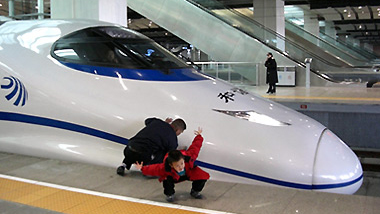
 High-speed rail, the best way to get around China. Photo courtesy of Gabriel Chew |
|
|
|
How to take the train in China
China has one of the biggest and busiest rail networks in the world, and trains link almost every town & city. Chinese trains are a safe, comfortable, punctual & cheap way to travel around China, and a Chinese train journey is an experience in itself, in contrast with less reliable and environmentally-unfriendly internal flights. This page will help you understand & plan train travel in China, & arrange your train tickets.
 How to check train times & fares
How to buy tickets at the station
Luggage & bikes
on Chinese trains
Tours of China by train - organised for you
Train times & fares for popular routes
International trains & ferries
Beijing to Ulan Bator & Moscow by Trans-Siberian railway & onwards to Paris & London
Beijing, Xian & Ürümqi to Almaty & Astana (Kazakhstan)
Beijing to Hanoi (Vietnam) by train, onwards to Saigon, on to Phnom Penh & Bangkok
Beijing to South Korea by ferry
Beijing to North Korea by train
Kunming to Hanoi (Vietnam) by train
Lhasa to Kathmandu by bus & onwards to Delhi
Other information
Recommended guidebooks for China
Suggested hotels in Beijing & Shanghai
Get a VPN to access Twitter, Facebook, Google and so on whilst in China
Useful country information
Which station in Beijing? |
|
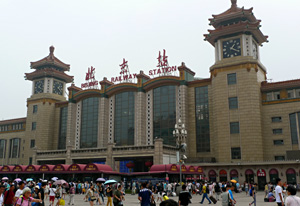 Beijing railway station for Trans-Siberian trains to Moscow & Ulan Bator, trains to Harbin, a few sleeper trains to Shanghai. Beijing's original main station dating from 1959. |
|
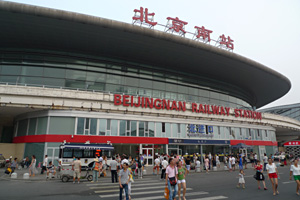 Beijing South (= Beijing Nan or Beijingnan) for high-speed trains to Shanghai & Tianjin. It's huge, modern & airport-like inside. |
|
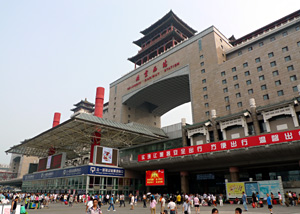 Beijing West (= Beijing Xi or Beijingxi), for trains to Xian, Hong Kong, Guangzhou, Nanning, Guilin, Tibet. It's vast, modern & airport-like inside. |
|
|
Beijing North for Badaling & the Great Wall. |
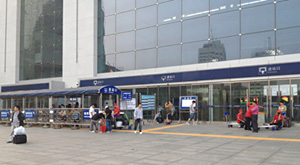
How to check train times & fares
-
For online train timetables in English between any two major Chinese cities, use the journey planner at:
- seat61.transport-ticket.com (also gives fares, in multiple currencies)
- www.chinahighlights.com (also gives fares, in US$)
-
Some online journey planners aren't connected directly to the Chinese Railways system, they take periodic downloads. Some sites can therefore be more up to date than others.
-
The official Chinese Railways website is www.12306.cn, previously Chinese-only, it now has an English version.
-
Beijing Metro: For a map, see www.johomaps.com/as/china/beijing/beijingmetro, showing Beijing Main (Zhan), Beijing West (Xi) & Beijing South (Nan) mainline stations. Metro website www.bjsubway.com. Another simpler metro map is at www.explorebj.com/subway.
-
Shanghai metro: service.shmetro.com/en/.
Maps of the Chinese train network
-
cnrail.geogv.org/enus - interactive map, you can search for a station or enter a train number to see the route taken by that train. High-speed lines shown in red, classic lines in green.
-
Map of Beijing: Click for street map of Beijing showing stations & main sights.
How to buy tickets
When do reservations open?
Reservations usually open 15 days before departure. You cannot buy tickets before reservations open.
The booking horizon used to be 12 days (10 days at stations), it increased to 20 days in 2013, then to 60 days in 2014, shortened to 30 days in 2017 and now it's 15 days.
Do tickets sell out?
Yes. Most long-distance trains get fully-booked days ahead. So book as far ahead as you can or pre-arrange tickets online as explained below. Although as China's new G-category high-speed trains are expensive by Chinese standards you may find Beijing-Shanghai or Beijing-Xian high-speed train tickets available on the day or the day before, assuming you're flexible as to class and departure time. But in all other cases, long-distance train tickets sell out days before departure. Train tickets are best booked at least 3-4 days in advance, preferably more, apart from peak holiday periods when they should be booked as soon as reservations open or secured through a train ticketing agency who knows the ropes, as trains get very fully-booked weeks ahead.
Peak holiday periods means on and around the Spring Festival, May Day on 1st May and National Day on 1st October. It's also busy throughout the summer, and the beginning or end of university terms. At other times, trains can still sell out but it's usually possible to secure seats or sleepers a few days ahead.
But why not see for yourself? If you run an enquiry on www.chinahighlights.com/china-trains or www.trip.com for today, tomorrow or a few days time, you'll see which trains are sold out, which are still available, and which have only a few seats left. As I write this, most Beijing-Shanghai trains are sold out for the day after tomorrow, but a few trains still have seats left the day after that. It's a similar story between Beijing and Xian.
How to buy tickets online
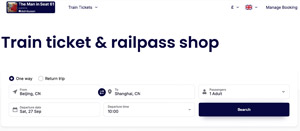
Chinese Railways launched online booking in 2011 at www.12306.cn. Until 2020 it was only in Chinese and only accepted Chinese bank cards, it now has an English version. However, visitors to China will find it easier to buy tickets through one of the following reliable agencies. They all charge similar prices, with variations due to exchange rates and booking fees, by all means compare prices and fees before buying:
 |
|
|
Buy train tickets at seat61.transport-ticket.com Powered by Distribusion. |
Option 1, buy from seat61.transport-ticket.com
-
seat61.transport-ticket.com is an easy-to-use English-language front-end to Chinese Railways' booking system, overseas credit cards no problem.
You can see prices and pay in various currencies including £, €, USD, AUD or CNY.
It can book Chinese domestic trains and international trains to or from Hong Kong.
It's powered by Distribusion, that's who you're buying from. Confirmation is instant.
-
You need to use specific stations to see all the trains, for example Beijing South to Shanghai Hongqiao, NOT Beijing to Shanghai.
-
Travel is ticketless, you scan your passport at the automatic gates at the entrance to the platform, the system recognises your passport number, knows you have a reservation and lets you through, see more about finding & boarding your train.
-
Tip: For Xian type Xi'an.
-
Tip: You can use generic city names such as 'Beijing' to see all options, or use specific station names such as Beijing South or Beijing Fengtai to find specific trains.
 |
|
|
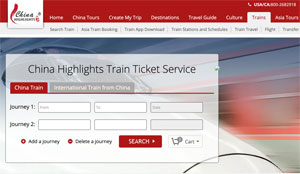
Buy train tickets at www.chinahighlights.com/china-trains |
Option 2, buy at Chinahighlights.com
-
www.chinahighlights.com/china-trains is a reliable and helpful train ticketing agency, established in 1998. They have a clear & easy-to-use English-language train booking website linked to the Chinese Railways ticketing system showing train times, fares & availability.
They can book Chinese domestic trains, also international trains to or from Hong Kong, Hanoi & Ulan Bator.
They offer basic seat selection on G & D category high-speed trains which lets you request aisle or window seats or two seats side-by-side.
-
Prices are shown in US Dollars, they add a small service fee after you select a train.
-
You can book months ahead if you like, they will take your booking request before reservations open and will make the booking with Chinese Railways when reservations open. Booking with them therefore gives you a 99% chance of getting the exact date, train & class you want, at least outside peak periods when half of China is trying to do the same thing!
-
After making a booking at www.chinahighlights.com/china-trains you'll be sent a payment link, and staff will contact you when the booking has been confirmed with Chinese Railways. The actual booking is made by staff behind the scenes (not 'live' online) so is only confirmed when you get their confirmation email.
-
Travel on domestic trains and trains to/from Hong Kong is ticketless, you scan your passport at the automatic gates at the entrance to the platform, the system recognises your passport number, knows you have a reservation and lets you through, see more about finding & boarding your train.
 |
|
|
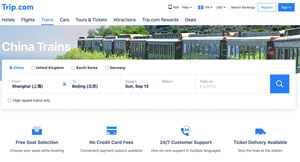
Buy train tickets at www.trip.com |
Option 3, buy at Trip.com
-
www.trip.com (formerly Ctrip.com) also offers live online train times, fares & tickets, it's a well-known long-established site with a great reputation, it's also useful for hotels & flights.
-
Trip.com can book any Chinese domestic train, also high-speed trains to/from Hong Kong, but not other international trains or the sleeper trains to/from Hong Kong. Like Chinahighlights, they offer basic seat selection on D & G category high-speed trains.
-
You can select a range of currencies including GBP, Euro, USD, AUD or CNY.
-
You can order online before Chinese Railways opens bookings, trip.com will book tickets for you as soon as booking opens.
-
Trip.com charges the official Chinese Railways price plus an RMB 30 ($5) fee per ticket, which they call a Hotel Promotion Code.
-
Travel is ticketless, you scan your passport at the automatic gates at the entrance to the platform, the system recognises your passport number, knows you have a reservation and lets you through, see more about finding & boarding your train.
 |
|
|
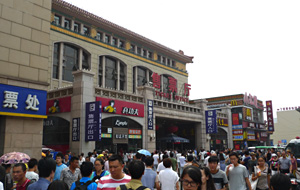
This is the entrance to Beijing Railway Station ticket office, accessed from the forecourt to the right of the main building. |
|
 |
|
|
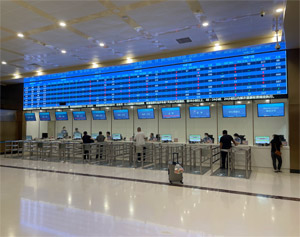
After an X-ray baggage check, you're inside the ticket hall. There's an availability display above the ticket windows check this first! Photo courtesy of Gilbère Mannie. |
|
 |
|
|
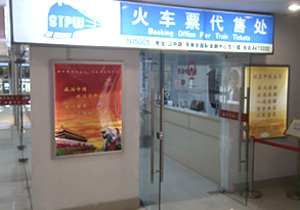
Or buy from a local train ticket agency for an RMB 5 fee. Small local ticketing agencies are located all over town. Don't expect English to be spoken, so ask your hotel to write down what you want. This is an office in Nanjing. Photo courtesy of Matthew Blissett. |
How to buy tickets at the station
-
It's fairly easy to buy tickets yourself at the station even if you don't speak Chinese, although trains are busy so book as many days ahead as you can and be prepared to take a second choice of train, class or date. Expect an X-ray bag check to enter the ticket office.
-
Take your passport!
You'll need your own passport and passports of all other passengers. Rules introduced in 2011 make it essential for foreigners to show a passport to buy tickets for any long-distance train. You'll also need your passport to board the train. A Chinese citizen's ID card, foreigner's temporary residence permit, exit-entry permit or diplomatic certificate can be used to buy tickets instead of a passport.
-
Check the train availability board!
At major stations you'll see a colourful LED display showing how many seats are left in each class on each main train departure today and for the next week or so. Don't waste time asking for a ticket if the board is clearly showing zero seats left on that train! See what these displays look like and how to read them.
-
Which ticket window for which trains?
Ticket windows are only signed in Chinese, apart from a few labelled as for cancellations & refunds. However, don't worry, in a major station ticket hall, all ticket windows can generally sell tickets for all trains and routes. Chinese Railways have a central computer reservation system so you can buy tickets for any route at any station. But when choosing a train, it's usually easier to get tickets for a train which starts at the station you're leaving from, rather than one starting somewhere else and picking up at your station en route.
-
English-speaking ticket windows
There's an English-speaking ticket window for foreigners at Beijing main station, usually window 16 in the separate ticket office to the right of the main building accessed off the forecourt, see the photos below. You may also find English-speaking windows at Xian and Shanghai.
-
Language problems? Use these useful booking forms!
You won't always find an English-speaking window. Use these handy forms designed by Chinese rail expert Duncan Peattie and updated by Eliot Zhang, they will help you you ask for what you want, and understand the booking clerk's reply if your first choice isn't available. Your hotel can help you write down the place names.
Download booking form for C, D, G category high-speed trains
Download booking form for Z, T, K category trains, including sleepers.
-
Travel is now ticketless
You won't be given a ticket, travel is now ticketless and all you need is your passport to board the train, see more about finding & boarding your train. When you book travel in person at a ticket office, you'll be given a printout confirming your journey details, but this is not a ticket!
-
At Beijing station (= Beijing or Beijing Railway station)
The ticket office is a separate block to the right of the main building as you stand on the forecourt, clearly marked 'Ticket Office'. Expect a baggage X-ray check at the door. Only domestic Chinese tickets are sold, not international tickets. One or two ticket windows are designated for foreigners, a red LED display may tell you which one. It's often window 16, but not always. Allow plenty of time to buy your ticket, you may have to queue.
-
At Beijing West station (Beijing Xi or Xizhan)
There are various ticket offices including offices on both the north and south sides of the station, directly accessed from outside the station. At Beijing West you need a ticket to enter the departures area. As Beijing West is a mile or two outside central Beijing, you may find it easier to buy tickets at Beijing station.
-
At Beijing South station (Beijing Nan or Beijingnan)
There are various ticket offices inside the main departures hall. Go through the X-ray and metal detector security checks into the main departure hall and look for one of the offices around the sides. As Beijing Nan is a few miles outside central Beijing, you may find it easier to buy tickets at Beijing station.
-
To buy Trans-Siberian tickets in Beijing from Beijing to Ulan Bator or Moscow, see the Trans-Siberian page. To buy tickets from Beijing to Hanoi, see the Vietnam page.
-
At Shanghai station
The English speaking ticket window at the main station was window 43 though this has now been reported as changed to window 10 on the ground floor of the main ticket office to the southeast of the main station.
-
At Shanghai Hongqiao
There are several ticket offices inside the main departure hall. Go through the X-ray and metal detector security checks into the main departure hall and look for one of the offices around the sides.
-
Alternatively, buy from a local train ticket agency
In major cities, it can be more convenient to buy tickets at one of the numerous 'hole in the wall' ticketing agencies located all over the city. These local offices charge an RMB 5 (50p or $1) extra fee, just ask your hotel if there is one nearby. Don't expect these local agencies to speak English, so ask your hotel to write down your destination, date, time and class in Chinese to show the staff.
Train availability displays in ticket offices
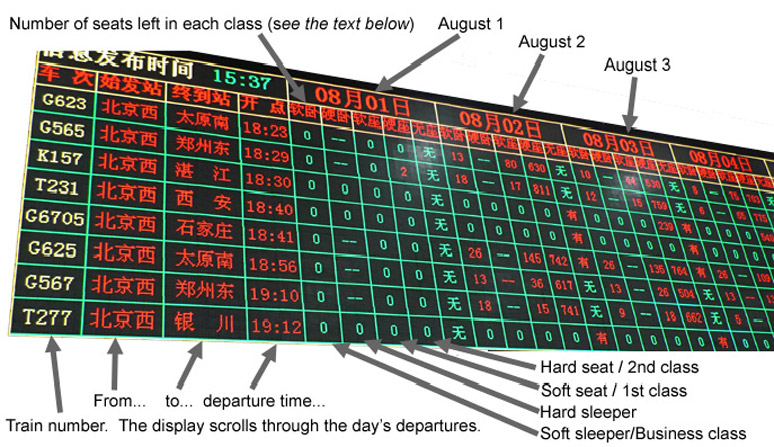
You'll find these train availability boards at all main station ticket offices and they're not hard to read, even though they're in Chinese. The photo below was taken at Beijing West on 1 August, and as you can see, there's zero availability in any class for today's train G625 leaving at 18:56, so don't waste time asking. But there's plenty of availability in all classes tomorrow (2nd August) including 13 seats in business class and 36 seats in 1st class and 617 in 2nd class.
-
At Beijing Railway Station & Beijing West the class columns run left to right as soft sleeper, hard sleeper, soft seat, hard seat then standing places. The soft seat & hard seat columns are used for 1st class & 2nd class on C, D & G-trains and the soft sleeper column is used for premium or business class on those trains.
-
At Beijing South the sequence from left to right is Business class, 1st class, 2nd class.
Self-service ticket machines
-
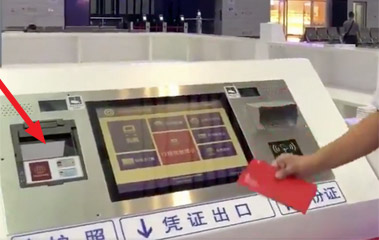
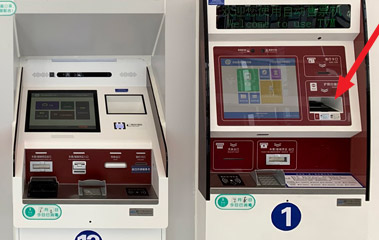
Most stations have self-service ticket machines. Until recently, these were of no use to foreign visitors as they only recognised Chinese ID cards. The latest type now recognises foreign passports, although they don't normally have an English language facility (although an English version may be in the pipeline). That means most visitors will find using them for tickets too difficult.
-
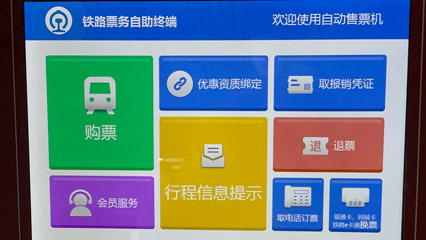
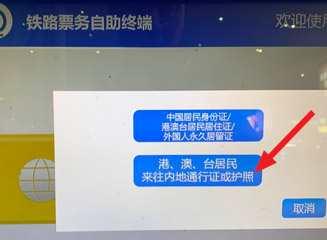
How to print your itinerary, or a reimbursement slip
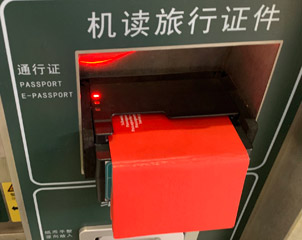
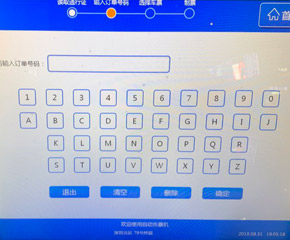
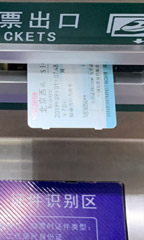
If you have already booked online, you can print out a Trip information reminder with your train times, car & seat/berth numbers. You can do this any time before you travel. After your journey you can print out a Reimbursement slip good if you want to claim the journey on expenses, it's not valid for travel. You can do this immediately after you travel, or for up to 30 days afterwards. Follow the steps shown below. Photos below courtesy of David Feng.
Finding & boarding your train
Allow time for security checks at the station
-
Arrive at the station in plenty of time before the departure of your train, perhaps 30-40 minutes before departure.
-
At stations where the ticket office is separate, for example Beijing Railway Station or Beijing West, there are queues at the entrance to the station for a ticket & ID check, as only ticket-holders are allowed into the departures hall. Join any queue at any kiosk, have your ticket and 1'wand'.
-
At stations where the ticket office is inside the main hall, for example Beijing South or Shanghai Hongqiao, there will be short queues just inside the entrance to the station hall for a security check. You put your bags through an X-ray scanner then security staff check you over with an electronic 'wand'.
Scan your passport to access the platform
-
Once inside the station, look for the departure indicators. At major stations such as Beijing South or Shanghai Hongqiao, the departure boards alternate between Chinese & English. At smaller stations they are only in Chinese, but you can easily make out your train number and departure time, and the platform or gate number to go to, as the photos in this section show. Finding your train is unlikely to be a problem.
-
There are automatic gates at the entrance to each platform or group of platforms. The gates can read Chinese ID cards & Chinese Green Cards for expats settled in China.
-
At some stations, each gate has a passport scanner as well as a Chinese ID card scanner. This latest type of gate is shown in the photo below. You place your passport data page face-down on the passport scanner, it reads your passport, knows you have a reservation and lets you through. Your passport needs to be machine-readable, although it doesn't need to be biometric.
-
At other stations, the gates only have Chinese ID card scanners. Foreign passport holders must use a separate passport reader, located at one end of the gateline, after which you are let through a manual gate. You place your passport data page face-down on the scanner, it reads your passport, knows you have a reservation and lets you through.
-
A few small stations have no passport readers at all, so you need to ask staff to let you through. Showing a printout of your journey helps with this, if you buy at a ticket office you'll be given a printout, if you have booked online you can get a printout by showing your reservation number at a ticket office window. These printouts are labelled Trip information reminder in English.
-
Tip: Expenses to claim? You can get a Reimbursement slip. You can collect it either immediately after your journey or for up to 30 days afterwards, from a staffed ticket window or from the latest type of self-service machine which can recognise foreign passports. Watch the video guide.
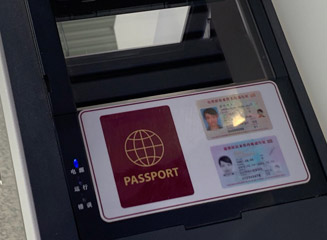
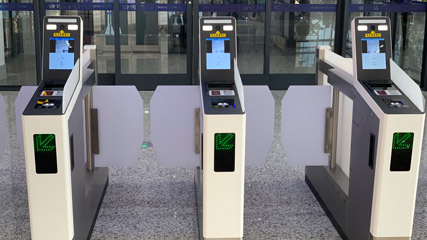
The latest type of platform access gate has a passport scanner as well as a Chinese ID card scanner. Courtesy of David Feng.
Boarding a train at Beijing Station
1. Beijing station is in downtown Beijing, 3 km from Tiananmen Square. It has it's own Beijing Subway station called Beijing Railway Station, see Beijing subway map.
2. Beijing main station dates from 1959 and whilst Beijing's South & West stations are modern and airport-like, negotiating Beijing's original station is a more chaotic old-style Asian experience. So arrive in plenty of time, at least 40 minutes before your train leaves.
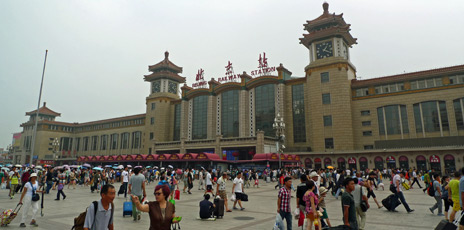
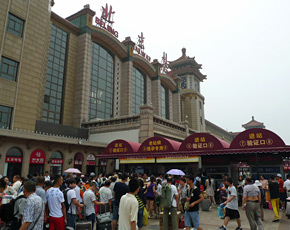
3. Whether you arrive by subway or taxi, you end up on the station forecourt seen in the photo below left. You then enter the station through any of the 30-odd red-canopied ticket-check kiosks seen in the photo below right in front of the main entrance. There will be a queue in front of each kiosk.
4. Immediately after the ticket check, there's a luggage X-ray check as you enter the building itself.
5. You can then check the departure display to see which waiting room to go to for your train. Boarding usually starts around 20-30 minutes before departure.
Boarding a train at Beijing South: See the Beijing to Shanghai page
Boarding a train at Beijing West
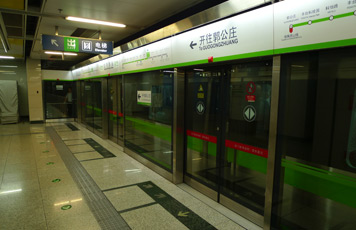
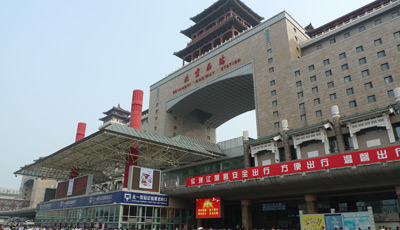
1. Beijing West (= BeijingXi) is 7 km (4.5 miles) west of Tiananmen Square. You can travel there easily & cheaply by Beijing Subway (see Beijing subway map) for just RMB 4 (50p, $0.70), allow 40 minutes for the subway journey. Or you can take a taxi, the taxi fare from central Beijing to Beijing West is around RMB 35 (£4, $6), allow at least 30 minutes for the taxi ride.
2. Beijing West is large and busy, so arrive in plenty of time for your train, perhaps 40 minutes before your train leaves.
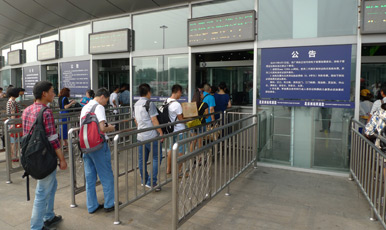
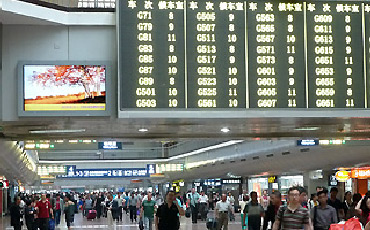
3. When you reach the station, you enter the station through a ticket & ID check at any one of the various entrances, see the photo above left. Immediately afterwards there's a luggage X-ray check into the departures hall.
4. Indicator boards on the departure concourse show which train is allocated to which waiting room - in the photo above right you can see G71 is allocated to waiting room 8. There's usually at least ½ hour between departures from a given room.
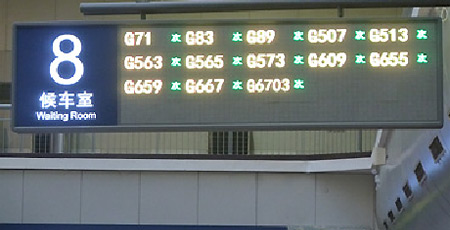
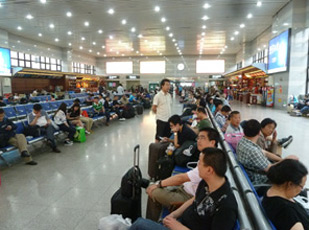
5. Go to the waiting room shown for your train, this photo shows the sign outside room 8.
6. The waiting room. Boarding starts perhaps 15 minutes before departure, through automatic ticket gates, closed a few minutes before departure.
7. You may also find departure boards showing the status of each train. Most trains will be shown as 'on time' with the most immediate departures shown as 'waiting', which means you can enter that train's specific waiting room. Once a train is ready for boarding, usually about 30 minutes before departure, it's shown as 'check in', meaning you can proceed through to the platform. Barriers close 5 minutes before departure, and the train is then shown as 'check out'. Photos in this section are courtesy of Sunil Mehta.
What are Chinese trains like?
Chinese trains link virtually all main cities and towns in China, and are a safe, comfortable & civilised way t
Categories of train
Chinese train numbers usually start with a letter, which indicates the category of train. The better the category of train, the faster it is likely to be, and the more modern & comfortable the carriages are likely to be. Slightly higher fares are charged for the better train categories.
-
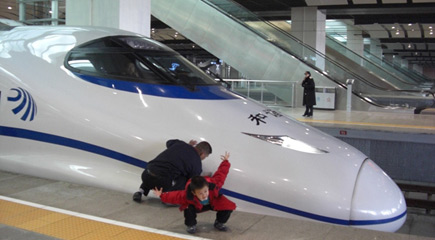
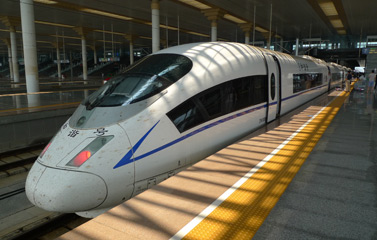
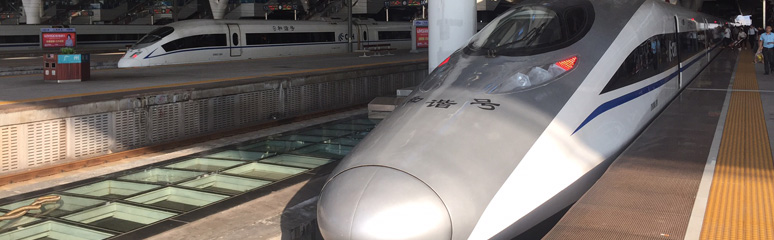
G (Gaotie) trains are China's premier high-speed trains, consisting of modern air-conditioned coaches with a streamlined power-car at each end. They can run at up to 300km/h (186 mph) on the new high-speed lines, some can reach 320 or even 350 km/h. For a long-distance daytime journey such as Beijing-Shanghai or Beijing-Xian, pick a G-category train.
-
D (Dongche) trains are the next-best category of high-speed train, either daytime trains making more stops (and so slower) than the top G-category or running overnight as high-speed sleeper trains, the time-effective option on routes such as Beijing-Shanghai or Beijing-Xian.
-
C (Chengji) trains are the lowest rank of high-speed train, calling at more stations and slower than either G or D category trains.
-
Z trains (Zhida = high-quality express sleeper trains) are the top category of train on the classic (non-high-speed) network. They consist of dark green air-conditioned sleeping and seats cars hauled by a locomotive.
-
T trains (Tekuai = extra fast) are the next best category on the classic network.
-
K trains (Kuaisu = fast), the next category down on the classic network.
Classes of seat on G, D & C high-speed trains
High-speed G, D & C category trains have 1st class & 2nd class seats and a buffet car. The Chinese officially classify these trains as 1st class soft seat and 2nd class soft seat, this allows the Ministry of Railways to get around government regulations limiting the price of normal soft & hard class fares.
-
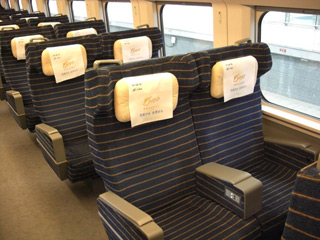
1st & 2nd class: 2nd class has compact seats arranged 2+3 across the car width. 1st class has much larger chunkier seats arranged 2+2 across the car width, with more legroom.
-
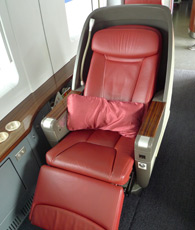
Business class. G-category high-speed trains have a premium first class called Business class. This has individual electrically-reclining leather seats arranged 2+1 across the car width. There is complimentary green tea and juice and a tray meal may be included in the fare, served at your seat. Business class is spacious, carpeted, and the egg-like business class seats recline to a flat bed at the touch of a button. Business class is expensive even by western standards, but it's a real treat, very civilised and relaxed.
-
Premium, premier or superior seats. Now it gets confusing, so listen up! G-category high-speed trains have a small compartment immediately behind the driving cab at each end of the train, originally called 'sightseeing' because you could look through a glass bulkhead through the driving cab to get a view of the line ahead or behind. However, this glass sightseeing window is now always kept electrically frosted up, and on some newer trains it's a solid bulkhead in any case. So the term 'sightseeing' is no longer used.
On some trains, the end compartment is fitted with five business class seats, arranged in one 1+1 row across the car width and one 1+2 row. They all rotate to face the direction of travel, and are sold as normal business class.
On other trains there are two business class seats immediately behind the cab, arranged 1+1 across the car width, followed by three more red leather seats arranged 2+1 across the car width. As these three seats are narrower and don't recline or rotate, they are sold as first class.
On a few trains, the end compartment is fitted with 6 seats arranged in two rows 2+1 across the car width. These seats are the same style of seat found in first class, but they are sold at a higher price than first but less than business. The Chinese term for this class is usually translated as premium or premier or superior or occasionally deluxe, depending which website you're using. On a few trains you'll also find these superior class seats in a small 6-seat compartment mid-train. Although you'll never find superior class on a train which has business class!
-
Standing places. A limited number of places without seats are sold on most trains. Only buy as a last resort!
Classes of seat & sleeper on overnight D trains
D-category high-speed sleeper trains are becoming increasingly common, often doing journeys in a single night that a decade or two ago would have taken a conventional train a night and day, or even night-day-night.
-
Soft sleeper: All D-category high-speed sleeper trains have soft sleepers, mostly in 4-berth compartments with lockable door, similar to the soft sleepers on conventional trains. Washrooms and toilet are at the end of the corridor. The D-category sleeper trains on a handful of routes have individual bunks in semi-enclosed curtained-off 'capsules' either side of a central aisle, see photos here.
-
Hard sleeper: Most D-category sleeper trains only have soft sleepers (types CRH1E & CRH2E), but the CR200J type used on routes such as Beijing-Shanghai also offers hard sleepers. Upper, middle & top bunks in bays of 6 in doorless compartments, similar to hard sleepers on conventional trains.
-
2nd class seats: D-category sleeper trains also have 2nd class seats cars, usually just one car or seats at each end. 2nd class only, no 1st class.
Classes of seat & sleeper on Z, T, K trains
The conventional (non-high-speed) Z, T & K category trains have four classes, although you won't always find every class on every train:
-
Soft sleeper = comfortable 4-berth compartments. Most western travellers travel soft sleeper, a comfortable, civilised & affordable way to travel. Soft sleepers are spacious 4-berth compartments with two upper & two lower berths by night, converting to two sofas for daytime use. All necessary bedding is provided. There's a table with tablecloth, and usually a vacuum flask of hot water for making tea (or drinking chocolate or cuppas soups if you've brought some). The compartment door locks securely, and a smartly-dressed attendant looks after each car. The best trains even feature individual TV screens and power sockets for laptops & mobiles. Passengers share with other passengers, but this is no problem, and a good way to meet people.
Can you book a 4-berth soft sleeper for sole or dual occupancy? My advice is to do what the Chinese do, buy one ticket for one berth for one person and share. It's not a problem, and you meet people this way.
-
Hard sleeper = open-plan bunks in bays of 6. If you're on a tight budget or if the soft sleepers are full, there's no reason why you shouldn't go hard sleeper, as many western backpackers do. Hard sleeper consists of open-plan carriages with a broad aisle on one side of the car, bays of 6 bunks (upper, middle & lower) on the other side. In spite of the name, hard sleeper bunks are reasonably well padded, and bedding is supplied. Newer trains even have power sockets for laptops & mobiles.
-
Soft seat & hard seat: Equivalent to first & second class seats on a European train. Short distance daytime trains often only have hard class seats, though some inter-city trains have both soft & hard class. 'Hard' seats are usually padded and reasonable comfortable, in spite of the name.
-
Deluxe soft sleeper = 2-berth compartment with upper & lower berths and private toilet. A handful of trains also have deluxe soft sleepers, also known as Superior soft sleepers, include Beijing-Shanghai & Beijing-Xian. There are only limited numbers of these 2-berth compartments available, often booked by government officials, so don't bang your head against a brick wall trying to get one, be prepared to travel in normal 4-berth soft class. Sharing a 4-berth really isn't a problem, it's the norm in China, and you might even meet some real Chinese people this way.
Restaurant cars, toilets, smoking...
-
Toilets: Chinese trains usually have both western & squat toilets, but it's a good idea to take your own supply of toilet paper. The toilets on the modern G, D & Z category trains are immaculate, so no worries there!
-
Restaurant & buffet cars: Most long-distance T & Z category trains have a restaurant car, with waiter service of drinks, snacks & meals. G & D category high-speed trains have a buffet car selling drinks, snack and microwaved tray meals.
-
Smoking: Smoking is not permitted in sleeper compartments or corridors on any Chinese train, or anywhere at all on board high-speed trains or the pressurised trains to Tibet. But smoking is allowed (or at least, condoned) in the vestibules between carriages and in some restaurant cars on the regular T & K category long-distance trains.
G-category high-speed trains
G-category high-speed trains come in various types and colour schemes, all have 2nd, 1st & business classes (in that order) and a buffet car. The photos below show a German-designed CRH380B, there's also the Chinese-designed CRH380A and the newer (and more colourful) CRH400A & CRH400B, see the CRH400 photos on the Beijing to Shanghai page. To see which type operates your train, enter the train number into www.gaotie.net and look at the train details. CRH stands for China Rail High Speed, and the number denotes the maximum design speed in km/h.
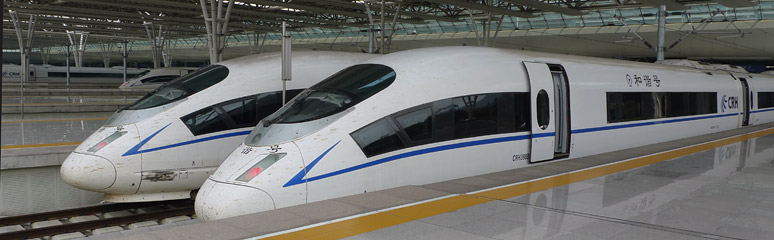


Business class seats. On a 16-car CRH380 you'll find one whole car of business class seats plus two business class seats in the very end compartment at each end of the train. On some trains you'll now find a newer type of business class seat with privacy screens & small table, like the latest business class flatbeds on planes.


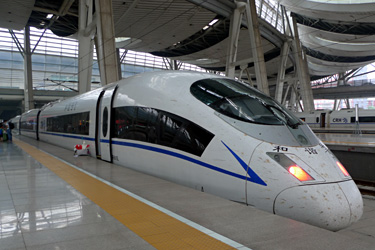
The area behind the cab on a CRH380B at each end of the train, formerly branded Sightseeing. On CRH380 Heixe trains the area is arranged like this, with two business class seats behind the cab, then a row of three narrower non-reclining seats which are sold as first class. On some routes and trains this area is fitted with six first-class-style seats which are sold as superior (or premium or deluxe, the English translation varies). The glass is permanently frosted, the term Sightseeing is no longer used.
D-category sleeper trains
D-category sleeper trains come in several types, the CRH2E shown below can travel at up to 250km/h (156 mph), as can the slightly older CRH1E. The newer CRJ200 type (painted a distinctive lurid green) used on the Beijing-Xian, Beijing-Shanghai & Beijing-Guangzhou routes operates at up to 200 km/h (125 mph).
To see which type operates your train, enter the train number into www.gaotie.net and look at the train details.
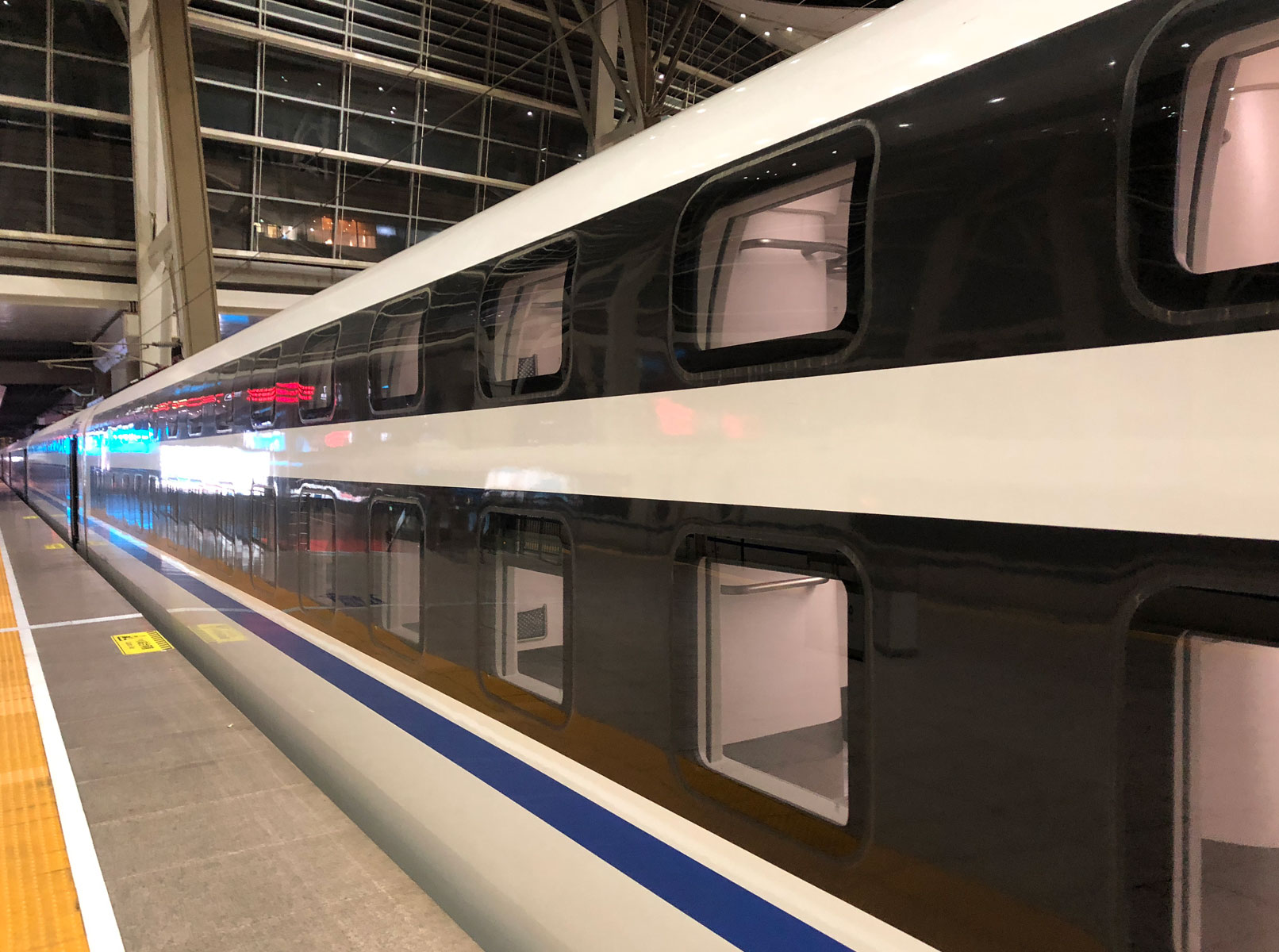
The CRH2E shown below is 16-cars long, consisting of 13 sleeping-cars each with nine comfortable 4-berth soft sleeper compartments, one buffet car and two streamlined end cars with a limited number of 2nd class seats.
The soft sleepers have very welcome powerful air-conditioning and there's a power socket for laptops, mobiles & cameras under the table. Pillows, sheets & fluffy duvet are provided. The compartment is fully enclosed with a door that locks securely. There's a security-latch to prevent the door opening more than an inch even if the regular lock is undone from outside with a staff key. Each berth even has a small TV screen, although these did not work when I tried them. There are toilets & a washroom at the end of the corridor.
The Man in Seat 61 says: "Have a Tsingtao beer or two in the buffet, then retire to your sleeper berth. Sharing a 4-berth sleeper is no problem, whatever your western sensibilities. When I took the photos below we shared with a pleasant Chinese lady in her late 20s who spoke good English, and a young man who spent most of the evening on his laptop."
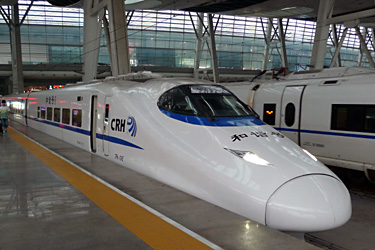
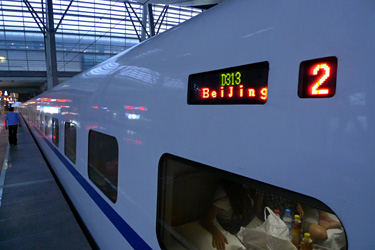
A D-category sleeper train at Beijing South. The trainside displays clearly state train number, origin-destination & car number. This is car 2.


Buffet car with counter & tables in the centre of the train, selling snacks, beer (RMB 15), soft drinks and microwaved tray meals like this for around RMB 40 (£4, $6)
Above right, there's a washroom area at the end of each car. The train has both western & Asian-style toilets, with toilet paper & paper towels provided. There's also a baby-changing table.
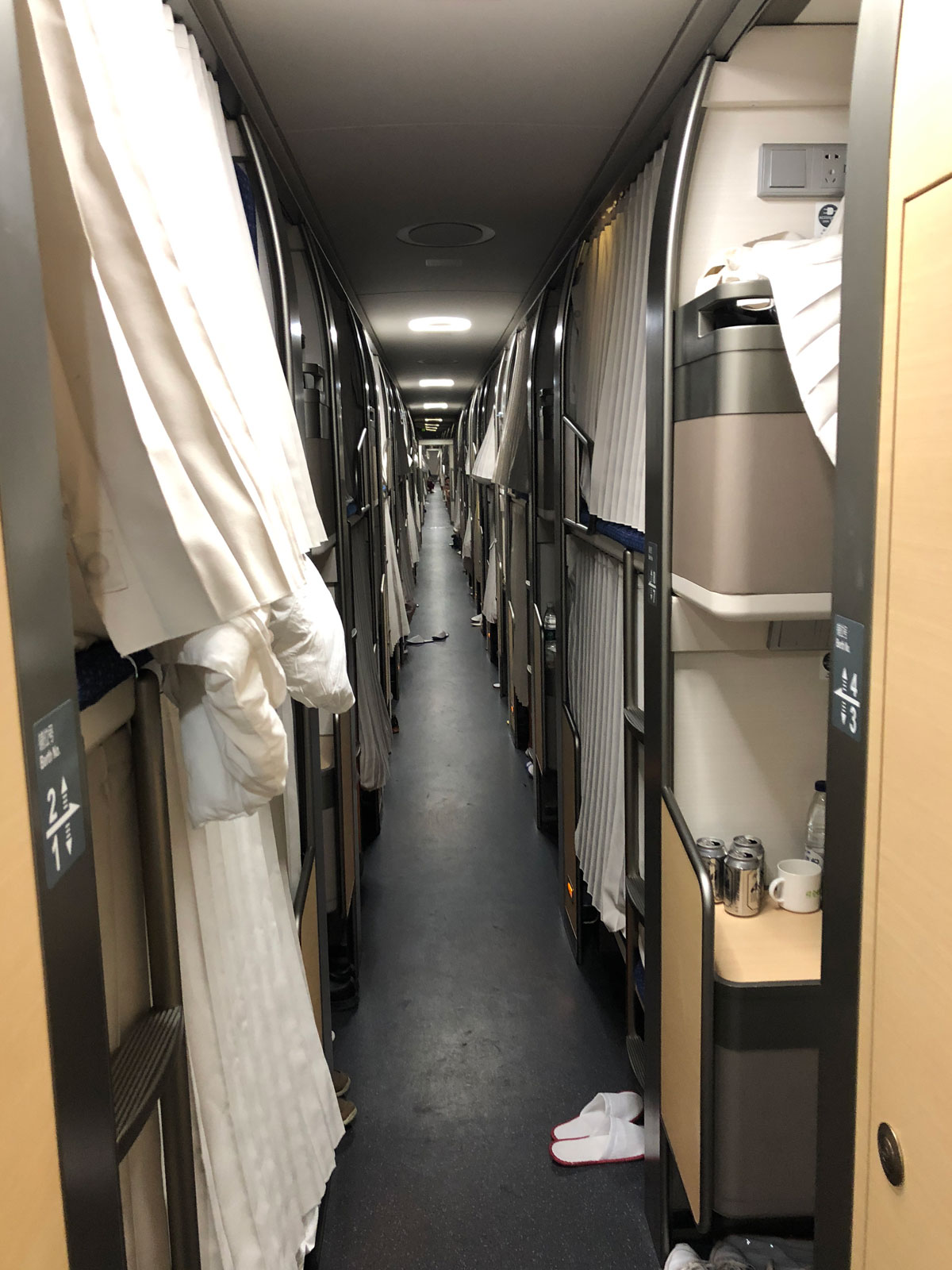
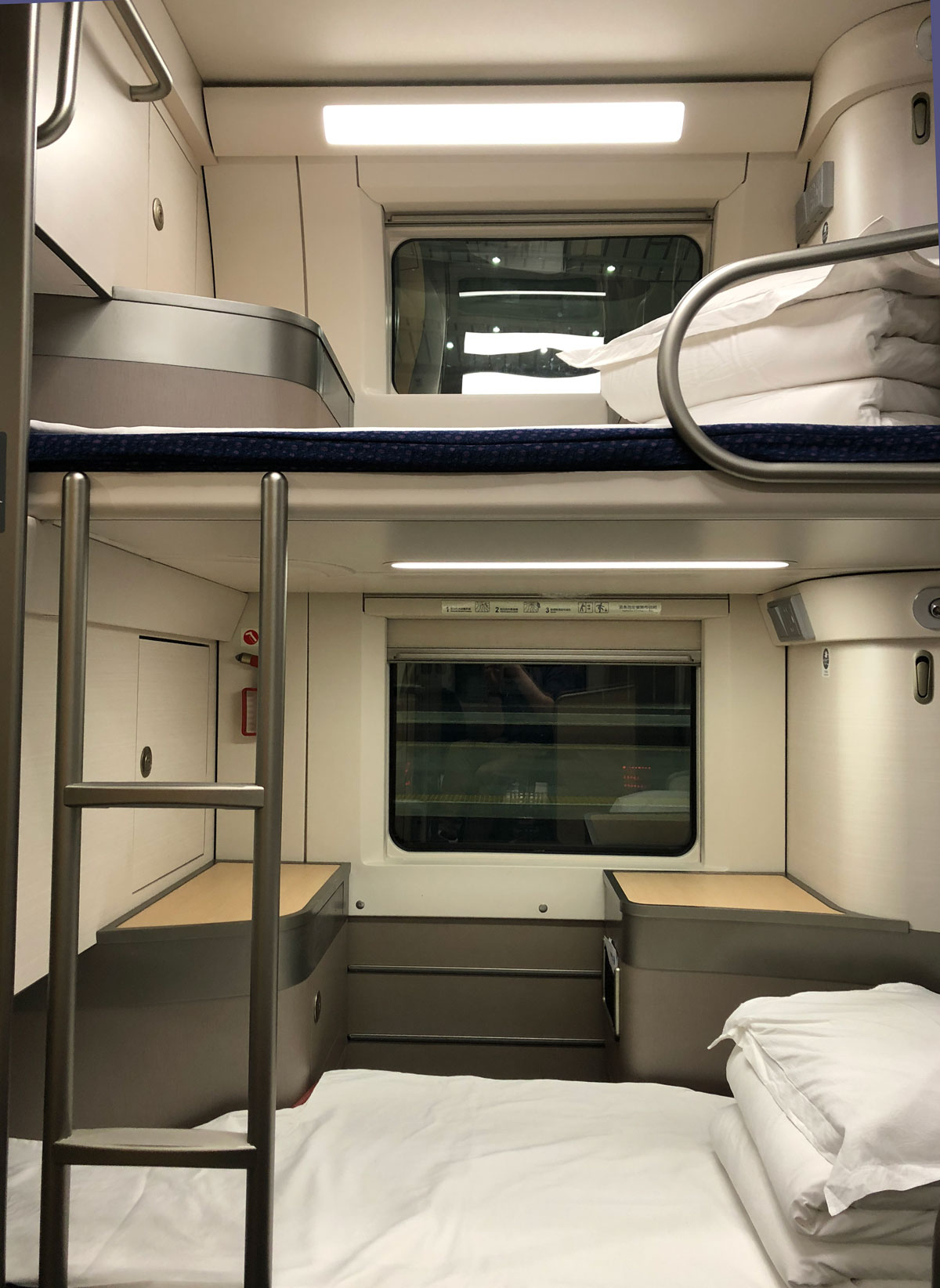
CRH2E capsule-type sleepers
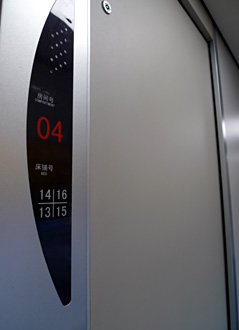
Instead of conventional 4-berth soft sleeper compartments, some CRH2E sleeper trains have open-plan upper & lower berths arranged longitudinally along the car walls, with an upper and lower row of windows for upper and lower berths, see this video. Each berth has its own individual curtains for privacy. On some booking sites this type is described as capsule sleeper.
Luggage on Chinese trains
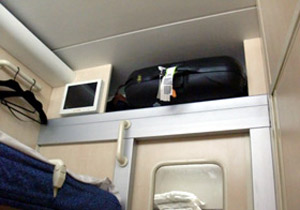 Luggage on Chinese trains: Your luggage stays with you on board the train. Here, a suitcase is stored in the recess over the door in a 2-berth deluxe soft sleeper. Courtesy of Andy Brabin. |
|
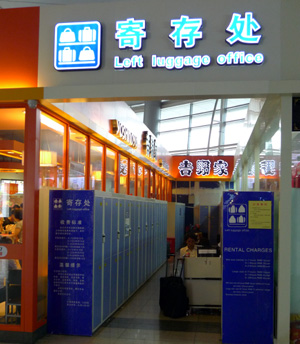 Left luggage office, Beijing South departures hall. This one has lockers, others are staffed. |
-
You take your bags with you onto the train, and put them on the racks in your sleeper compartment. At major stations, bags may be X-rayed before boarding.
-
In theory, the luggage limit on Chinese trains is 20 Kg for adults, 10 Kg for children, and the maximum dimension of any item should not exceed 160 cm (this is reduced to 130cm on all C, D & G category high-speed trains).
-
However, in reality no-one weighs or measure your bags, so as long as they will fit through the security X-ray machines and as long as you can carry them all onto the train yourself, you'll be fine. If you really want to transport vast quantities of luggage you can pay for a baggage ticket for bags in excess of the official limits.
Taking a bike
-
You can't take a bike with you onto Chinese trains as carry-on luggage, bikes have to be sent as cargo on a passenger train with a luggage van, which of course means a classic train, not a high-speed train. There are two options:
Option 1, you can take it to the luggage office at your starting station and check it in, then collect it again from the luggage office at your destination station. This option is described in Matt Glaspole's report below. Your bike will travel on whatever train has the necessary luggage van with space available, whatever train you choose to use yourself.
Option 2, you can use a faster door-to-door collect-&-deliver service offered by Chinese Railways between major cities. You may need an agency to help you arrange this.
-
Traveller Matt Glaspole reports on taking a bicycle on Chinese trains: "Not every train has a luggage van, but if you mention in the ticket office that you have a bicycle, the ticket staff can book you onto a train that has one. If you do have to take a train without a luggage van, the luggage staff will send your bicycle on the next train that does have one. Once you have your ticket, you need to find the luggage office, which is often hidden around the back of the station somewhere. You might not find any English spoken here, but your train tickets should give the staff all the information they need. The luggage service is a bit old fashioned, and the charges can involve a few RMB in 'tips' to the officials involved. The luggage rates are calculated per kilometre like a passenger ticket, but are not as expensive. If you take the pedals or anything else off to prevent joyriding, point this out to the staff so they can make a note of this on the luggage ticket. This indemnifies them from the potential that you or someone else at the other end will accuse them of having lost or stolen the missing bits. Once, I didn't mention to the staff that the pedals were missing, and they starting combing the town near the station to find me, so they could amend the ticket. Accusations of theft must be very serious! My bicycle was never damaged in the luggage vans, although other cyclists have found themselves missing a bungee strap or two from time to time."
Luggage storage at stations
-
There are left luggage offices at most main Chinese stations, often privatised so markings and signage vary. Look for the suitcase in a square pictogram or the words Left Luggage.
-
Stations with a left luggage office include Beijing railway station (which has at least two, both accessed from outside in the forecourt), Beijing South (inside the ticket hall), Beijing West (accessed from outside), Xian, Shanghai Hongqiao, Shanghai, Shenzhen.
-
The left luggage office at Beijing South inside the departures hall is open 06:00-23:00, a medium locker costs RMB 10 (£1, $1.50) for 0 to 7 hours, RMB 15 (£1.50, $2.50) for up to 12 hours, RMB 25 for up to 24 hours. A large locker costs RMB 15, RMB 25 & RMB 40 respectively for the same time periods. Other left luggage offices are likely to charge similar prices.
Beijing to Shanghai
Beijing to Xian
The best way to travel between Beijing & Xian is by train, either on a time-effective overnight sleeper train which saves a hotel bill, or on a 300km/h (186 mph) high-speed train. The high-speed line opened in December 2012, trains now link Beijing West and Xian North in as little as 4h17, with a dozen departures a day.
All these trains run every day - check times at seat61.transport-ticket.com or one of the websites shown here.
G-category trains are high-speed daytime trains with Business class, 1st class, 2nd class and a buffet car. 1st class seats are 2+2 across the car width, 2nd class seats are 2+3 across the car width. Business class consists of leather power-reclining seats arranged 1+2 across the car width in a carpeted car.
D-category trains are high-speed air-conditioned sleeper trains with soft sleepers & 2nd class seats, type CR200J.
T-category trains are classic sleeper trains with 4-berth soft sleepers, hard sleepers & restaurant car.
Xian North = XianBei, 10 km north of the city centre on Xian metro line 2.
Xian main station is in the city centre, so more convenient.
Beijing to Xian by sleeper train on the classic route is 1,283 km (801 miles), via the new high-speed route it's 1,198km (749 miles).
The Terracotta warriors are 40-45 minutes from Xian main station by bus 306 or 307, fare about RMB 7. Minibuses & taxis are also available. There are luggage storage facilities (left luggage office) at Xian main station, price RMB 5 per person.
All trains shown here run every day. Finding & boarding your train Luggage arrangements
Beijing metro map. Street map of Beijing showing stations. Hotels in Beijing. Hotels in Xian.
$1 = approx RMB 7. £1 = approx RMB 9.
Since January 2023, children under 6 travel free (just one per adult goes free), all other children under 14 travel for half fare. Those 14 & over pay full fare. Child discounts only apply to the 'base' part of a sleeper fare, so in sleepers it's closer to a 25% reduction on the total fare.
The sleeper fares shown here are for lower berths. Upper berths (and middle berths in hard sleeper) are a fraction cheaper.
How to buy tickets
Buy tickets at seat61.transport-ticket.com.
Or use www.chinahighlights.com or www.trip.com. Read more about how to buy tickets.
What are the high-speed G-trains like?
Second class is fine if you're on a budget, although it's fairly cramped as seats are arranged 2+3 across the car width. A middle seat in the row of three isn't much fun! First class seats are arranged 2+2 across the car width, so are far more spacious and well worth the extra cost. Superior class seats (also known as Deluxe or Premium) are identical to first class seats, but arranged 2+1 across the car width in the sightseeing area immediately behind the cab at each end of the train, 6 seats in each of the two sightseeing areas. The glass to the cab is often kept frosted, defeating the object of the sightseeing area, so I'd stick with regular first class. Some trains have Business class instead of Superior class, and although expensive even by western standards, it's carpeted, spacious and relaxed, with electrically-reclining flat-bed seats and complimentary tray meal. Wonderful if you can afford it.
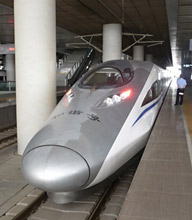
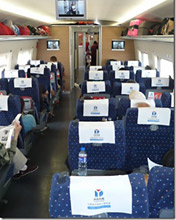
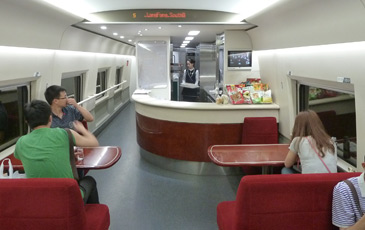
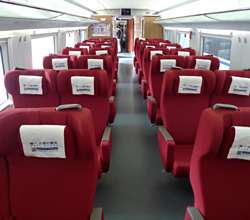
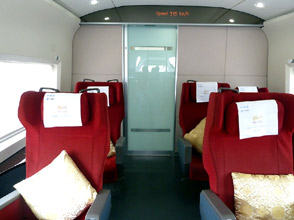
Traveller Ed Raw reports: "I was able to buy a Beijing to Xi’an ticket in person at Beijing’s main railway station the day I arrived, 6 days before travel. As a precaution I got the receptionist where I was staying to write out the relevant details in Chinese for me. Contrary to what most people do I went on a day train (G653) as I wanted to see something of the landscape as we sped along. The maximum speed we reached was 303km/hour. The whole trip was one of the highlights of the fortnight."
The top row of photos show train G653 from Beijing to Xian, a CRH380A, courtesy of Ed Raw, buffet photo courtesy of Sunil Mehta.
Beijing to Badaling & Great Wall
You can visit the Great Wall at Badaling by train from Beijing, no need for a restrictive tour. See the Great Wall of China page.
Beijing to Tianjin
High-speed 350 km/h C-category trains (sometimes known as Hexie trains) link Beijing South Station & Tianjin every 10-20 minutes, taking just 30 minutes for the 120 km (75 miles) journey. Simply use seat61.transport-ticket.com, www.chinahighlights.com or www.trip.com to find train times. The fare is around $8 in 2nd class, $13 first class. It's easy enough to buy tickets at the station on the day of travel.
Beijing to Guilin & Nanning
As well as the classic T and Z category sleeper trains from Beijing to Guilin and Nanning, since 2014 there are two Beijing-Guilin-Nanning high-speed trains which do the run in a single day. So you can choose between a high-speed journey done in a single day or a cheaper classic overnight sleeper train ride, both are genuine Chinese experiences. The choice is yours.
All these trains run every day - but check exact times for your date of travel online at one of the sites shown here.
G-category trains: G93, G94, G421 & G422 are G-category high-speed trains using the new high-speed lines, with 2nd, 1st & business class and buffet car, see the photos of similar Beijing to Shanghai high-speed trains here.
D-category trains D919/D920 are air-conditioned high-speed sleeper trains with 4-berth soft sleepers & 2nd class seats, type CRH2E.
Z-category trains Z5, Z6, Z285, Z286 are conventional sleeper trains using the classic route, with 4-berth soft sleepers, hard sleepers & restaurant car.
Check these times at seat61.transport-ticket.com, www.chinahighlights.com or www.trip.com. Map of Beijing showing stations
Beijing to Guilin is 2,135km (1,334 miles), Beijing to Nanning is 2,566km (1,603 miles) via the classic route. Beijing metro map.
$1 = approx RMB 7. £1 = approx RMB 9.
Since 1 January 2023, children under 6 travel free (just one per adult goes free), all other children under 14 travel for half fare. Those 14 & over pay full fare. Child discounts only apply to the 'base' part of a sleeper fare, so in sleepers it's closer to a 25% reduction on the total fare.
The sleeper fares shown here are for lower berths. Upper berths (and middle berths in hard sleeper) are a fraction cheaper.
How to buy tickets
Buy tickets at seat61.transport-ticket.com.
Or use www.chinahighlights.com or www.trip.com. Read more about how to buy tickets.
Beijing to Kunming
You can travel from Beijing to Kunming either in a day by G-category 300km/h (186 mph) high-speed train, overnight by time-effective D-category high-speed sleeper, or night-day-night by classic Z-category sleeper train. Before making a knee-jerk decision to go for the high-speed option, remember that a spacious soft sleeper on a Z-train costs far less than a cramped 2nd class seat on a G-train, saves two hotel bills, and still only takes one day out of your schedule!
All these trains run every day. These are the best trains, check times at seat61.transport-ticket.com or one of the websites shown here.
G-category trains: G75, G76, G401 & G402 are G-category high-speed trains using the new high-speed lines, with 2nd, 1st & business class and buffet car, see the photos of similar Beijing to Shanghai high-speed trains here.
D-category trains D939/D940 are air-conditioned high-speed sleeper trains with 4-berth soft sleepers & 2nd class seats, type CRH2E.
Z-category trains are conventional sleeper trains using the classic route, with 4-berth soft sleepers, hard sleepers & restaurant car.
Beijing to Kunming on the classic route is 3,104 km (1,929 miles), via the new high-speed route it's xxxx km (xxx miles).
Finding & boarding your train Luggage arrangements
Beijing metro map. Map of Beijing showing stations. Hotels in Beijing.
$1 = approx RMB 7. £1 = approx RMB 9.
Since January 2023, children under 6 travel free (just one per adult goes free), all other children under 14 travel for half fare. Those 14 & over pay full fare. Child discounts only apply to the 'base' part of a sleeper fare, so in sleepers it's closer to a 25% reduction on the total fare.
The sleeper fares shown here are for lower berths. Upper berths (and middle berths in hard sleeper) are a fraction cheaper.
How to buy tickets
Buy tickets at seat61.transport-ticket.com.
Tip: For sleeper trains, use this link (as sleepers only show up using the specific station name in Kunming, not the generic city name).
Or use www.chinahighlights.com or www.trip.com. Read more about how to buy tickets.
Beijing to Guangzhou & Shenzhen
A new high-speed line opened in December 2012, and 300km/h (186mph) trains now link Beijing West and Guangzhou South in as little as 7h38, on the world's longest high-speed line. Introduced in January 2015, bullet-nosed high-speed sleeper trains run on Friday to Monday nights, taking a single night to do what the classic trains take a day and night to do.
All these trans run every day. Check times at seat61.transport-ticket.com or one of the sites shown here.
G-category trains are 300 km/h (186 mph) high-speed trains with business class, 1st class & 2nd class seats & buffet car. 1st class seats are 2+2 across the car width, 2nd class seats are 2+3. Business class has leather power-reclining seats arranged 1+2 across the car width. See the photos of the Beijing to Shanghai G-category high-speed trains as the Beijing-Guangzhou-Shenzhen G-trains are similar. You'll also find advice on which class to choose.
D-category trains are high-speed sleeper trains, with 4-berth soft sleepers, 2nd class seats & buffet car, type CRH2E.
Z-category trains are classic sleeper trains with 4-berth soft sleepers, hard class sleepers & restaurant car.
How to buy tickets Finding & boarding your train Luggage arrangements Map of Beijing showing stations
Beijing to Guangzhou via the new high-speed line is 2,298km (1,436 miles). Beijing to Shenzhen is 2,400km (1,500 miles).
$1 = approx RMB 7. £1 = approx RMB 9.
As of 1 January 2023, children under 6 travel free (just one per adult goes free), all other children under 14 travel for half fare. Those 14 & over pay full fare. Child discounts only apply to the 'base' part of a sleeper fare, so in sleepers it's closer to a 25% reduction on the total fare.
The sleeper fares shown here are for lower berths. Upper berths (and middle berths in hard sleeper) are a fraction cheaper.
How to buy tickets
Buy tickets at seat61.transport-ticket.com.
Or use www.chinahighlights.com or www.trip.com. Read more about how to buy tickets.
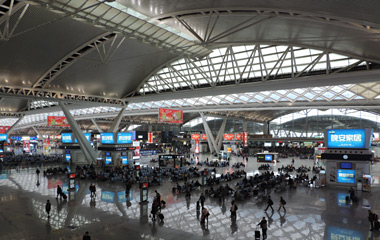
Beijing to Hong Kong
Hong Kong to Shanghai:
Hong Kong to Guangzhou:
Macau:
Shanghai to Xian
Option 1, Shanghai to Xian by high-speed train
G-category high-speed trains link Shanghai Honquiao with Xian North (Bei) at up to 300 km/h (186 mph), fastest journey 5h40, most trains take 7 or 8 hours.
Check times & buy tickets at seat61.transport-ticket.com, www.chinahighlights.com/china-trains or www.trip.com.
The trains have business class, 1st class & 2nd class seats and a buffet car. 1st class seats are 2+2 across the car width, 2nd class seats are 2+3 across the car width. Business class consists of leather power-reclining seats arranged 1+2 across the car width in a carpeted car. See the photos of the Beijing to Shanghai G-category high-speed trains here as these trains are similar.
Xian North, also known as XianBei, is 10 km north of the city centre on Xian metro line 2. Shanghai Honqiao station 18 km from central Shanghai near the old airport
Option 2, Shanghai to Xian by time-effective sleeper train
Classic Z-category sleeper trains and high-speed D-category sleeper trains also link Shanghai & Xian. A sleeper is not only more time-effective, it saves a hotel bill and as these trains use the main stations in the city centres, it can be more convenient, saving taxi costs too.
The Z-category sleeper trains have air-conditioned 4-berth soft sleepers, hard sleepers & restaurant car.
The D-category high-speed sleeper trains have 4-berth soft sleepers, hard sleepers, 2nd class seats & buffet car, type CR200J.
Check times at seat61.transport-ticket.com, www.chinahighlights.com/china-trains or www.trip.com.
$1 = approx RMB 7. £1 = approx RMB 9. * = only available on Z40/Z42.
Since January 2023, children under 6 travel free (just one per adult goes free), all other children under 14 travel for half fare. Those 14 & over pay full fare. Child discounts only apply to the 'base' part of a sleeper fare, so in sleepers it's closer to a 25% reduction on the total fare.
The sleeper fares shown here are for lower berths. Upper berths (and middle berths in hard sleeper) are a fraction cheaper.
How to buy tickets
Buy high-speed daytime tickets at seat61.transport-ticket.com.
To book sleepers, use this link.
Or use www.chinahighlights.com or www.trip.com. Read more about how to buy tickets.
Shanghai to Guangzhou
Choose between a 300 km/h daytime train taking as little as 6h39 or a time-effective overnight sleeper.
G-category trains are 300 km/h (186 mph) high-speed trains with business class, 1st class & 2nd class seats & buffet car. 1st class seats are 2+2 across the car width, 2nd class seats are 2+3. Business class has leather power-reclining seats arranged 1+2 across the car width. See the photos of the Beijing to Shanghai G-category high-speed trains as the Beijing-Guangzhou-Shenzhen G-trains are similar. You'll also find advice on which class to choose.
D-category trains are high-speed sleeper trains have 4-berth soft sleepers, 2nd class seats & buffet car, type CRH1E or CRH2E.
Check times at seat61.transport-ticket.com, www.chinahighlights.com/china-trains or www.trip.com.
$1 = approx RMB 7. £1 = approx RMB 9.
Since January 2023, children under 6 travel free (just one per adult goes free), all other children under 14 travel for half fare. Those 14 & over pay full fare. Child discounts only apply to the 'base' part of a sleeper fare, so in sleepers it's closer to a 25% reduction on the total fare.
How to buy tickets
Buy tickets at seat61.transport-ticket.com.
Tip: To book sleepers, use specific station names, not generic city names.
Or use www.chinahighlights.com or www.trip.com. Read more about how to buy tickets.
Shanghai to Guilin & Nanning
Choose between a daytime high-speed G-train taking around 10 hours, or a time-effective high-speed sleeper train that saves a hotel bill.
All these trains run every day all year round.
G-category trains are 300 km/h (186 mph) high-speed trains with business class, 1st class & 2nd class seats & buffet car. 1st class seats are 2+2 across the car width, 2nd class seats are 2+3. Business class has leather power-reclining seats arranged 1+2 across the car width. See the photos of the Beijing to Shanghai G-category high-speed trains as the Beijing-Guangzhou-Shenzhen G-trains are similar. You'll also find advice on which class to choose.
D-category trains are high-speed sleeper trains have 4-berth soft sleepers, hard sleepers, 2nd class seats & buffet car.
Check these times at seat61.transport-ticket.com, www.chinahighlights.com or www.trip.com. Map of Beijing showing stations
$1 = approx RMB 7. £1 = approx RMB 9.
Since January 2023, children under 6 travel free (just one per adult goes free), all other children under 14 travel for half fare. Those 14 & over pay full fare. Child discounts only apply to the 'base' part of a sleeper fare, so in sleepers it's closer to a 25% reduction on the total fare.
The sleeper fares shown here are for lower berths. Upper berths (and middle berths in hard sleeper) are a fraction cheaper.
How to buy tickets
Buy high-speed daytime tickets at seat61.transport-ticket.com.
For sleeper trains, use this link.
Or use www.chinahighlights.com or www.trip.com. Read more about how to buy tickets.
Trains to Lhasa & Tibet
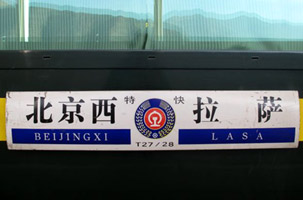
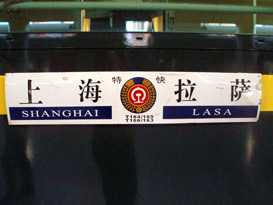 Destination board on the Shanghai-Lhasa train. Photo courtesy of Mary Kitchen. |
|
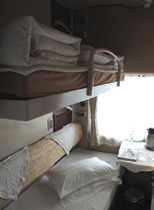
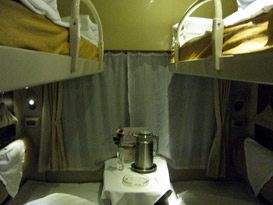 Modern & comfortable. A soft class 4-berth sleeper on the Beijing-Lhasa train. Photo courtesy of Frances Partridge |
The first regular passenger trains started running over the new railway to Lhasa in Tibet on 1 July 2006. The Qinghai-Tibet Railway is the highest in the world, climbing from 2,829m above sea level at Golmud (Geermu) to 3,641m at Lhasa, much of it built on permafrost. Its highest point is in the Tanggula Pass, at 16,640 feet (just over 5,000m) above sea level. Because of the lack of oxygen at that altitude, all passenger coaches have extra oxygen pumped into them, and oxygen is available to passengers through tubes if they have problems. Before the railway was built into Tibet, travellers had to take a train as far as Golmud (which the railway reached in 1984) followed by a gruelling 48 hour bus journey to Lhasa. Now there are direct air-conditioned trains from Beijing, Shanghai, Guangzhou & Xian to Lhasa.
Beijing, Xian, Shanghai, Guangzhou to Lhasa by train
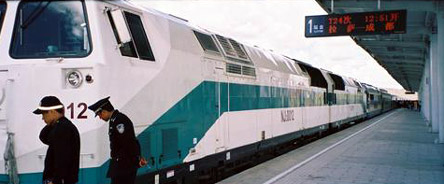
There is a direct train from Beijing to Lhasa every day, a 2-night, 3,753km journey, and trains also run from Xian, Shanghai & Guangzhou (near Hong Kong) to Lhasa. These are all modern air-conditioned Chinese Railways trains, with soft & hard class sleepers, soft & hard class seats & a restaurant car. Train times & fares for these trains are shown below.
How to buy tickets
In the first months of operation of the new line, tickets sold out almost as soon as bookings open, and it's not much easier to get tickets now. It's best to arrange through an agency, perhaps as part of a tour with Tibet permit sorted for you, try www.chinahighlights.com/china-trains or www.chinatraintickets.net. See how to buy tickets. Tibet is an all-year-round destination, but you'll find tickets hardest to get in July & August when vast numbers of Chinese tourists visit.
Getting a permit for Tibet
In addition to a normal Chinese visa (which as of 2026 some western nationalities no longer need), foreigners require a permit to enter Tibet. The only way to get a permit is through a Chinese travel agency, for example www.chinahighlights.com who can arrange both trains and tailor-made tours, or try www.tibettravel.org, www.chinatibettrain.com or www.chinatraintickets.net.
The permit is valid to enter Tibet and reach Lhasa, though another permit is required to travel any further. There's a useful article about Tibet permits at www.thelandofsnows.com. Always check the current situation with Tibet Permits, as over the last few years requirements have been tightened up due to the political situation, making travel difficult, then relaxed again.
All trains are air-conditioned with extra oxygen available, and have soft class & hard class sleepers & seats, and restaurant car. The soft sleepers have 4-berth compartments, complete with personal LCD televisions, occasionally showing English language movies.
Beijing metro map. Street map of Beijing showing stations.
Guangzhou = Canton, a few hours' train ride from Hong Kong.
The Beijing-Lhasa train was speeded up in 2011 by diverting it over a new bit of railway, no longer calling at Xian. The fare was cheaper as the new route is shorter, at 3,753 km. Of this, 1,110 km are over the newly-built Qinghai-Tibet railway.
Another train (not shown here) runs daily between Xining & Lhasa, extended to Lanzhou on alternate days. Many other trains link Beijing, Xian, Lanzhou and Xining.
Onward travel to Kathmandu in Nepal, and from Nepal to India.
$1 = approx RMB 7. £1 = approx RMB 9.
Since January 2023, children under 6 travel free (just one per adult goes free), all other children under 14 travel for half fare. Those 14 & over pay full fare. Child discounts only apply to the 'base' part of a sleeper fare, so in sleepers it's closer to a 25% reduction on the total fare.
The sleeper fares shown here are for lower berths. Upper berths (and middle berths in hard sleeper) are a fraction cheaper.
The journey to Lhasa by train
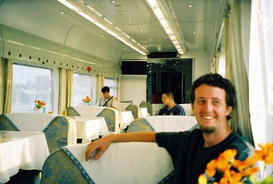
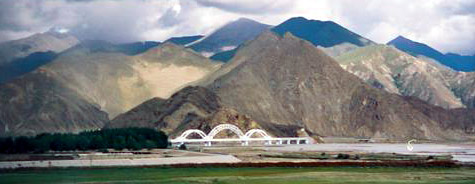
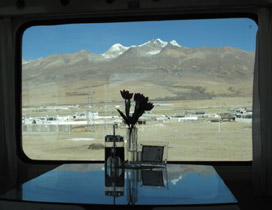
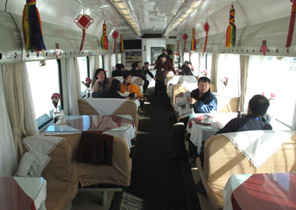

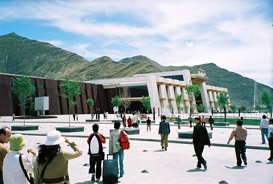
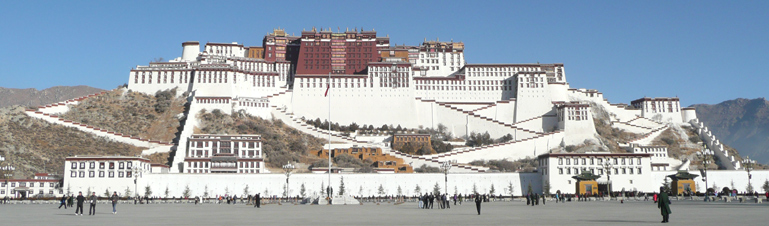
Traveller's reports
Traveller Brett Ackroyd reports: "I took the train from Lhasa to Beijing. It departed absolutely on time from Lhasa and arrived at Beijing’s West Station on time two nights later. During the first 36 hours or so the buffet car (where I spent most of time) served only buffet for lunch and dinner and a set breakfast menu. It seemed that once the train cleared Tibet in to China things changed and a food menu was provided. Smoking rules also appeared to relax once the train entered China, a fact backed up by the Lonely Planet’s entry regarding the train. As far as I could tell oxygen wasn’t pumped in to the carriages, and although there were ports at all seats and beds for an oxygen mask to be attached I never saw a mask itself. I and all other passengers had to sign a health declaration form that before boarding that confirmed we hadn't any heart conditions and related problems!"
Traveller Frances Partridge
reports: "Just
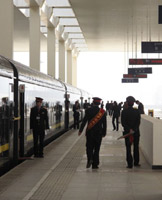
completed the 48 hour Lhasa to Beijing train ride. Lhasa station is awesome;
very modern, very beautiful; maybe a bit of a showcase? No one seemed to mind my
photographing anywhere. We left dead on time. The attendant came to my
compartment and gave me the oxygen tube to attach to the outlet in case of need.
Having been in Tibet for a week already, I was fine, just coughing a lot like
most Tibetans were. There were about eight other Westerners on the train,
a handful of Tibetans and lots of Chinese people.
To be honest, not the most spectacular scenery, compared to crossing Tibet, but
what an engineering achievement! The highest railway in the world, much of it
constructed on permafrost. At night the inside of the carriage doors froze
hard but the carriages themselves were very warm and comfortable. Outside
we were above the tree line but under the yak line. Endless moss, frozen
rivulets of old ice, yak herds and what I thought were eagles but a Tibetan told
me were 'eagle's nephews'. I booked soft class (for a nice change) but the
hard sleeper was almost as good according to my companions down the train.
I had the cabin of four beds to myself all day until late in the evening when an
elegant Chinese lady appeared at my door. She looked appalled to be
sharing with a foreign backpacker, especially one who had spread out all over
the adjoining bunk, but soon settled in and was civil (in Chinese). The
car attendants were pleasant; the waitresses in the restaurant car were surly
with a habit of whipping away the ashtray after one cigarette. Trying to
make them smile was a good, if fruitless, way to spend time. One morning
we arrived for breakfast at 9.30 am to be told that for us, breakfast was over.
Annoying when the car is full of train personnel eating their heads off.
Travel, eh? The train stopped at stations twice a day so we could stretch
our legs and have an unhindered smoke and buy snacks. I was tempted to
jump off at Xian to go see the terracotta warriors but restrained myself, as
there's always next year. We stopped at one station late at night, where
it seemed that half the Chinese Army were saying goodbye to the other half.
From the hugging and sobs and photography I assumed they had finished their
posting in the Tibet Autonomous Region and were heading home to Beijing.
They were very young boys and girls. On the second day trees appeared outside
and farms and cows. Suddenly I stopped coughing and could breathe much
more easily. Then into the chaos and noise of Beijing. I am so very
glad I took this train - if you get the chance, go for it!"
Traveller Keith Crane reports: "We had great trouble finding somebody who could book me a ticket independently (we were in Guangdong province - and tried calling Beijing) as all the agents wanted to offer a fully inclusive tour for between 5,000-7,000 Yuan. Finally we found an agent in Chengdu, www.dreams-travel.com, who could book the ticket and our Tibet pass very efficiently. They also run the very good Wen Jun Mansion Hotel, a recommendable, cheap place to stay. Chengdu is also the home of China's Panda research and breeding base so you can see the cuddly black and white creatures close while you wait for your train! Chinatripadvisor was pretty slow off the mark, not knowing much more than anyone else before bookings opened. Anyway our combined ticket (soft sleeper and Tibet pass) came to about 1,700 Yuan each in the end and off we went. Despite reading stories of altitude sickness we suffered none - and if the train was pressurised, we found the toilet windows open throughout the journey. The soft class accommodation is comfortable - there are western-style toilets - but the catering facilities are limited - a 44 seat dining car for a 15 carriage train! And not enough refrigeration for cold beer!"

International train, bus & ferries
Beijing ► Ulan Bator (Mongolia) ► Moscow (Russia) ► Western Europe
-
This used to be easy! Two weekly trains used to link Beijing with Moscow, one via Mongolia, one direct into Russia, but they were suspended in the pandemic, see the Trans-Siberian page. From Moscow, daily trains used to run to western Europe, with connections for London, these remain suspended following the pandemic, due to the war in Ukraine and sanctions, see the London to Russia page.
Beijing ► Japan
-
Ferries link Shanghai several times a week with Kobe and Osaka in Japan. For ferry connections between China & Japan, see below.
Beijing ► Taiwan
-
You can travel between China and Taiwan by ferry. For details see the Taiwan page.
Beijing ► North Korea
-
For the direct train between Beijing & Pyongyang in North Korea, see the North Korea page.
Beijing ► South Korea
-
For ferry connections between Beijing & South Korea, see the South Korea page.
Beijing ► Hanoi, Saigon (Vietnam)
-
There's a comfortable train service from Beijing to Hanoi taking 2 nights and 1 day. You can also travel from Kunming or Nanning to Hanoi by train. For details, see the Train travel in Vietnam page.
Hong Kong ► Hanoi, Saigon (Vietnam)
-
You can travel overland by train & bus from Hong Kong to Hanoi in Vietnam, quite cheaply and comfortably. You take an intercity train from HK to Guangzhou, the overnight sleeper train from Guangzhou to Nanning, a connecting train to Pinxiang then a bus to the border and on the Hanoi. For details of how to do this, see the Train travel in Vietnam page.
Beijing ► Lhasa (Tibet) ► Kathmandu (Nepal)
-
There's no railway from Tibet through the Himalayas to Nepal, at least not yet, but the Lhasa to Kathmandu journey can be done using various 7-day organised bus tours.
-
Weekly Lhasa-Kathmandu bus service? The internet is full of reports of a Lhasa to Kathmandu bus service starting, then being withdrawn, then starting again. However, the most reliable information suggests that there is currently NO such bus, as all attempts to keep it going have so far failed. So if you want to travel from Lhasa to Kathmandu, you'll need to sign up to one of the organised tours, see below.
-
Organised tours between Tibet & Nepal: Currently, the only way foreigners are legally permitted to travel between Lhasa & Kathmandu is with an organised tour. The cheapest tours take 8 days (7 nights) for the 955 km journey and cost about $400. Try www.heiantreks.com, who normally run Lhasa-Kathmandu overland tours twice a week, www.trekkingtibet.com (recommended by one seat61 correspondent), www.visitnepal.com/getaway (weekly, $500) or www.richatours.com or do a Google search for other agencies. Back in 2005, there were reports of a new twice-weekly bus service from Kathmandu to Lhasa but apparently this service folded soon after it started. If you have any feedback or recommendations, please let me know!
-
For onward travel from Kathmandu to Delhi or Varanasi in India by a combination of bus & train, see the Nepal page.
Beijing ► India
-
The direct route from China to India is not particularly practical. Most if not all border crossings are officially closed to foreigners, and you need some serious permits to be in those border regions. You can, however, go from Beijing to Lhasa in Tibet by train (see here), then take regular organised tours from Lhasa to Kathmandu, see the Nepal page. You can then get by regular scheduled bus and train to Delhi or Varanasi in India, also see the Nepal page.
Beijing ► Bangkok (Thailand), Kuala Lumpur (Malaysia) and Singapore
-
Start by taking the twice-weekly Beijing to Hanoi train, details on the Vietnam page. You can then either go to Saigon and across Cambodia to Bangkok, then by train to Malaysia and Singapore, or take a 24 hour bus ride from Hanoi to Vientiane in Laos, then by overnight train to Bangkok. See this interactive route map and click each part of the route you want for details.
Ferries from China to Japan
There were two ferry companies each sailing weekly year-round from Shanghai to either Kobe or Osaka in Japan. However, in 2021 the Shanghai Ferry Co. ceased trading and sold its vessel to its competitor, www.shinganjin.com. Feedback if you use this ferry is appreciated!
Japan-China International Ferry Company
The Japan-China International Ferry Company, www.shinganjin.com, sails weekly from Shanghai to Japan, going alternately to Kobe or Osaka.
Update 2026: Suspended since the pandemic, the ferry resumed in July 2025. It was temporarily suspended in January 2026, but running again now, check www.shinganjin.com.
* Ship sails to Osaka & Kobe alternately, see www.shinganjin.com for fares & schedules, for English, change JP to EN top right.
Fares start at 20,000 Japanese Yen or RMB 1,300 (£140 or $195) one way for a berth in a shared Japanese-style room accommodating 8-15 passengers or 25,000 Yen / RMB 1,600 for a berth in a western-style 4-berth cabin. There's a 10% discount for students, children 6-11 half fare. A range of cabins is available on board, with restaurants, cafe, etc.
You can book via their online application form less than 2 months but no less than 7 days before departure at www.shinganjin.com.
Alternatively, for sailings from China, the telephone number for the Shanghai branch is +86 2165 957 988. There is someone who can speak English and the only information you need to give is your name, date of birth, class of travel and passport number. They will then make a reservation and you can buy the ticket at the port. The telephone number for people travelling from Japan to China is +81 3 5489 4800. This is their Tokyo branch, as unfortunately nobody can speak English at their Osaka office.
Traveller Michael Hergarten travelled Osaka to Shanghai in December 2025: " Booking was quite easy through their website www.shinganjin.com, now available in English. After choosing our cabin (we were two adults and two kids in a "Deluxe B" room) we received a booking confirmation by e-Mail which confirmed the reservation. Payment for our cabin was possible by credit card directly at the harbour during check-in. For Deluxe Suite Rooms or Accessible Rooms payment must be made in advance, you'll receive an email with further payment information. Scheduled departure from Osaka International Ferry Terminal was at 11:30, arrival time at Shanghai 14:00. The Osaka terminal is around 1.3 km from Cosmo Square metro station, check in was from 09:00 to 10:30. We arrived at Cosmo Square shortly before 10 am and caught a free shuttle bus to the terminal, departing 10:00, see www.shinganjin.com/en/access. Check-in was quick. After passport checks we paid by credit card and got tickets for boarding. Afterwards we passed Japanese customs and immigration (no luggage check at all) and boarded the brand new ferry "XIN JIAN ZHEN", built in 2024.
Shortly after boarding there was a compulsory muster drill in the atrium lobby. The ship left 30 minutes ahead of schedule and sailed the whole day though the beautiful Seta Inland Sea, passing under four huge suspension bridges connecting Honshu with Shikoku and Kyushu. Out in the Korean sea in the evening the sea got rougher for the next 20 hours. Open decks were closed next day.
Arrival in Shanghai was around 2 hours late at 16:00. While at sea passengers have to fill in a digital form for Chinese immigration. The ship no longer arrives at the downtown Cruise terminal, the new arrival point is JunGong Lu Terminal which is a container terminal on the bank of Huangpu River, see www.shinganjin.com/en/access. After docking you leave the ship on a steep gangway and are shuttled by minibus to the Chinese immigration office, a 2 minute ride, where customs and immigration takes place. I highly recommend ordering a taxi via the very friendly and helpful ship's crew as there is no shuttle bus or taxi available at the port. We took a preordered taxi to Songfa Road metro station (line 3), a 10 min. drive for just RMB 21, payable in cash. Metro 3 offers direct connections to downtown and Shanghai main railway station.
About the ship itself: Built in 2024 and in service since July 2025, everything is new and in good condition! You'll find various cabin options and a restaurant serving high quality food for breakfast, lunch and dinner, all included in the ticket price. For drinks they serve tea, coffee and orange juice for breakfast. Water is always offered. Additionally you can buy beer or soft drinks from vending machines which accept Japanese Yen or Chinese Yuan (usually some machines for either currency). In the front you will find a lounge with tables and sofa style benches. For entertainment you'll find a cinema, a night bar with karaoke and several spaces to play board or video games. A gym is available as well as a ball pool for kids and a small shop selling cigarettes, snacks and souvenirs (but most of the shelves were empty...). Very useful: On deck 6, opposite cabin 216 you'll find a self-service laundry with two washers and dryers which can be used for free!"
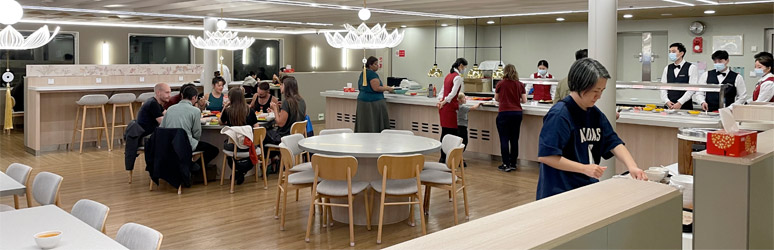
Above, restaurant on the Osaka-Shanghai ferry. Courtesy of Michael Hergarten. If you get any ship or cabin photos, please let me know!
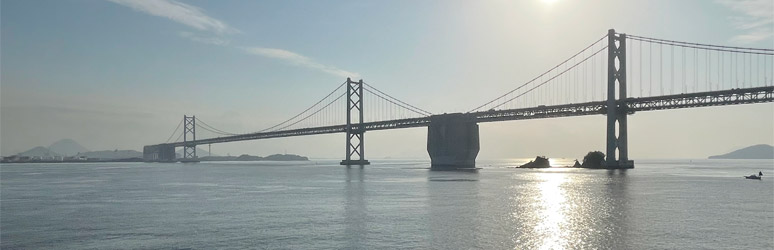
Above, sailing out of Osaka on the Osaka-Shanghai ferry. Courtesy of Michael Hergarten.
Train travel within Japan
For information about train travel in Japan, see the Japan page. To check Japanese train times online, see www.hyperdia.com (English button upper left).
Hotels in China
In Beijing
The Beijing Hotel Nuo Forbidden City is one of the oldest hotels in Beijing, built in 1917. It's location is perfect, it's just a few minutes walk along the main road to Tiananmen Square and the entrance to the Forbidden City, 3 minutes walk from Wanfujing Metro Station. Service is excellent and the colonial-style rooms spacious. An excellent and extensive breakfast buffet is served in the modern extension behind the main building. The hotel was originally Block B of the Beijing Hotel, Block C next door dating from 1954 is now the Beijing Grand Hotel and Block D dating from 1974 retains the name Beijing Hotel and is a state-run hotel. There's more on the history of this hotel at en.wikipedia.org/wiki/Beijing_Hotel. Tip: The hotel's rooms are both in the original 1917 block and the modern block behind, ask for a room in the original 1917 building.
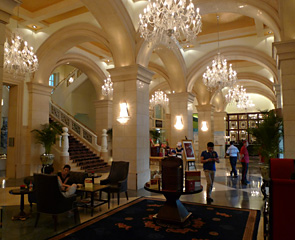
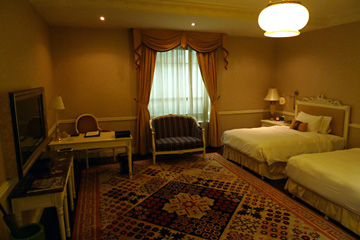
A cheaper option, still with good reviews and location, try the Pentahotel Beijing. It's informal, comfortable, and walking distance from Beijing Railway station - although a taxi is better if you've luggage. There's a bar and noodle bar downstairs.
In Shanghai
The Fairmont Peace Hotel is the place if you want 5-star comfort as well as history & grandeur, it starts at around €190 for a double. It's right in the centre of the Bund in a building dating from 1929. As the Cathay Hotel, pre-1949 it was regarded as Shanghai's most prestigious hotel, see en.wikipedia.org/wiki/Peace_Hotel.

Tours of China by train
Railbookers - independent tours
Train travel specialists Railbookers offer several tours of China by train, with hotels, tours, train tickets organised for you as a package with departure on any date you like. They can also arrange flights if you need them. Check out their Beijing to Shanghai and China's History & Panda Trail itineraries.
 In the UK call 0207 864 4600,
www.railbookers.co.uk.
In the UK call 0207 864 4600,
www.railbookers.co.uk.
 In the USA call free 1-888-829-4775,
www.railbookers.com.
In the USA call free 1-888-829-4775,
www.railbookers.com.
 In Canada call free 1-855-882-2910,
www.railbookers.com.
In Canada call free 1-855-882-2910,
www.railbookers.com.
 In Australia call toll-free 1300 971 526,
www.railbookers.com.au.
In Australia call toll-free 1300 971 526,
www.railbookers.com.au.
 In New Zealand call toll-free 0800 000 554 or
see website.
In New Zealand call toll-free 0800 000 554 or
see website.
Wendy Wu Tours - escorted group tours
If you prefer to tour with an escorted group, UK operator Wendy Wu Tours (www.wendywutours.co.uk/china) offers various tours of China's highlights including the Great Wall and the Terracotta Warriors at Xian, using trains and sometimes river cruises for much of the itinerary. They get a sound Trustpilot ranking, but feedback is always appreciated. They do a specific tour of China by train and another by rail to Tibet, see www.wendywutours.co.uk/rail-tours and scroll down to the Discover China by Rail or Tibetan Railroad tours.

Flights to China
Overland travel around China by train is an essential part of the experience, so once there, don't cheat and fly, stay on the ground! But for a long-haul flight to reach China, try Virgin Atlantic who fly direct from London to Beijing, Shanghai or Hong Kong, a sound choice for both price and service.
1) Check flight prices at Opodo, www.opodo.com
2) Use Skyscanner to compare flight prices & routes worldwide across 600 airlines.

3) Lounge passes
Make the airport experience a little more bearable with a VIP lounge pass, it's not as expensive as you think, see www.loungepass.com
I strongly recommend investing in a decent guidebook. It may seem an unnecessary expense, but it's a
tiny fraction of what you're spending on your whole trip.
You will see so much more, and know so much more about what
you're looking at, if you have a decent guidebook. For independent
travel I'd recommend either the Lonely Planet or the Rough
Guide, both provide an excellent
level of practical information and historical and political background.
You definitely won't regret buying one! Seat61 gets a small commission if
you buy through these links.
Buy at Amazon.co.uk or Amazon.com
 |
 |
Alternatively, you can download just the chapters you need in .PDF format from the Lonely Planet Website, from around £2.99 or US$4.95 a chapter.
Travel insurance & other tips
|
|
|
|
|


Always take out travel insurance
Never travel overseas without travel insurance from a reliable insurer, with at least £1m or preferably £5m medical cover. It should also cover cancellation and loss of cash and belongings, up to a sensible limit. An annual multi-trip policy is usually cheaper than several single-trip policies even for just 2 or 3 trips a year, I have an annual policy with Staysure.co.uk myself. Here are some suggested insurers. I get a small commission if you buy through these links.
www.staysure.co.uk
offers enhanced Covid-19 protection & gets 4.7 out of 5 on
Trustpilot.
www.columbusdirect.com
is also a well-know brand.
 www.staysure.com/ie if you live in Ireland.
If you live in the USA try
Travel Guard USA.
|
|

Get an eSIM with mobile data package
Don't rely on WiFi, download an eSIM with a European mobile data package and stay connected. Most newer mobile phones can download a virtual SIM including iPhone 11 & later, see device compatibility list. There's no need to buy a physical SIM card! Maya.net is a reliable eSIM data retailer with a 4.5 out of 5 Trustpilot rating and a range of packages including unlimited data.
|
|

Get a VPN for safe browsing. Why you need a VPN
When you're travelling you often use free WiFi in public places which may not be secure. A VPN encrypts your connection so it's always secure, even on unsecured WiFi. It also means you can select the geographic location of the IP address you browse with, to get around geoblocking which a surprising number of websites apply. See VPNs & why you need one explained. ExpressVPN is a best buy with a 4.7 out of 5 Trustpilot ranking which I use myself - I've signed up as an ExpressVPN affiliate, and if you go with expressvpn.com using the links on this page, you should see a special deal, 3 months free with an annual subscription. I get a small commission to help support this site.
|
|


Get a Curve card for foreign travel
Most banks give you a poor exchange rate, then add a foreign transaction fee on top. A Curve MasterCard means no foreign transaction fees and gives you the mid-market exchange rate, at least up to a certain limit, £500 per month at time of writing. The money you spend on your Curve card goes straight onto one of your existing debit or credit cards.
How it works: 1. Download the Curve app for iPhone or Android. 2. Enter your details & they'll send you a Curve MasterCard - they send to the UK and most European addresses. 3. Link your existing credit & debit cards to the app, you can link up to two cards with the free version of Curve, I link my normal debit card and my normal credit card. 4. Now use the Curve MasterCard to buy things online or in person or take cash from ATMs, exactly like a normal MasterCard. Curve does the currency conversion and puts the balance in your own currency onto whichever debit or credit card is currently selected in the Curve app. You can even change your mind about which card it goes onto, within 14 days of the transaction.
I have a Curve Blue card myself, it means I can buy a coffee on a foreign station on a card without being stung by fees and lousy exchange rates, just by tapping the Curve card on their card reader. The money goes through Curve to my normal debit card and is taken directly from my account (in fact I have the Curve card set up as payment card on Apple Pay on my iPhone, so can double-click my phone, let it do Face ID then tap the reader with the phone - even easier than digging a card out). I get a little commission if you sign up to Curve, but I recommend it here because I think it's great. See details, download the app and get a Curve card, they'll give you £5 cashback through that link.
|
|

Carry an Anker powerbank
Tickets, reservations, vaccination records and Interrail or Eurail passes are often held digitally on your mobile phone, so it's vital to keep it charged. I always carry an Anker powerbank which can recharge my phone several times over if I can't get to a power outlet. Buy from Amazon.co.uk or from buy from Amazon.com.
Touring cities? Use hill walking shoes!
One of the best things I've done is swap my normal shoes for hill-walking shoes, in my case from Scarpa. They're intended for hiking across the Pennines not wandering around Bangkok, but the support and cushioning for hiking works equally well when you're on your feet all day exploring foreign cities. My feet used to give out first and limit my day, now the rest of me gives up before they do!